The Shopping Revolution: How Virtual Reality is Transforming the Customer Experience at Shein
The Future of Online Retail
The rise of virtual reality (VR) is fundamentally changing the landscape of online shopping, creating experiences that were once only imagined. Among the pioneers in this digital revolution is Shein, a global fashion giant that is transforming customer engagement through immersive technological innovations. As traditional shopping approaches fall short of consumer expectations, Shein’s strategies illustrate a forward-thinking response to modern retail challenges.
One of the standout features enhancing the online shopping experience is the Virtual Try-On technology. This allows customers to see how clothing looks and fits on their own avatars, which they can customize based on their body type and size. Imagine being able to try on a trendy dress or a stylish jacket from the comfort of your living room, without the hassle of returns due to sizing issues. A study from Deloitte indicated that virtual fitting rooms could potentially reduce return rates, which currently average around 30% in the online fashion industry. By providing a more accurate representation of fit and style, Shein is not only improving customer satisfaction but also optimizing its supply chain.
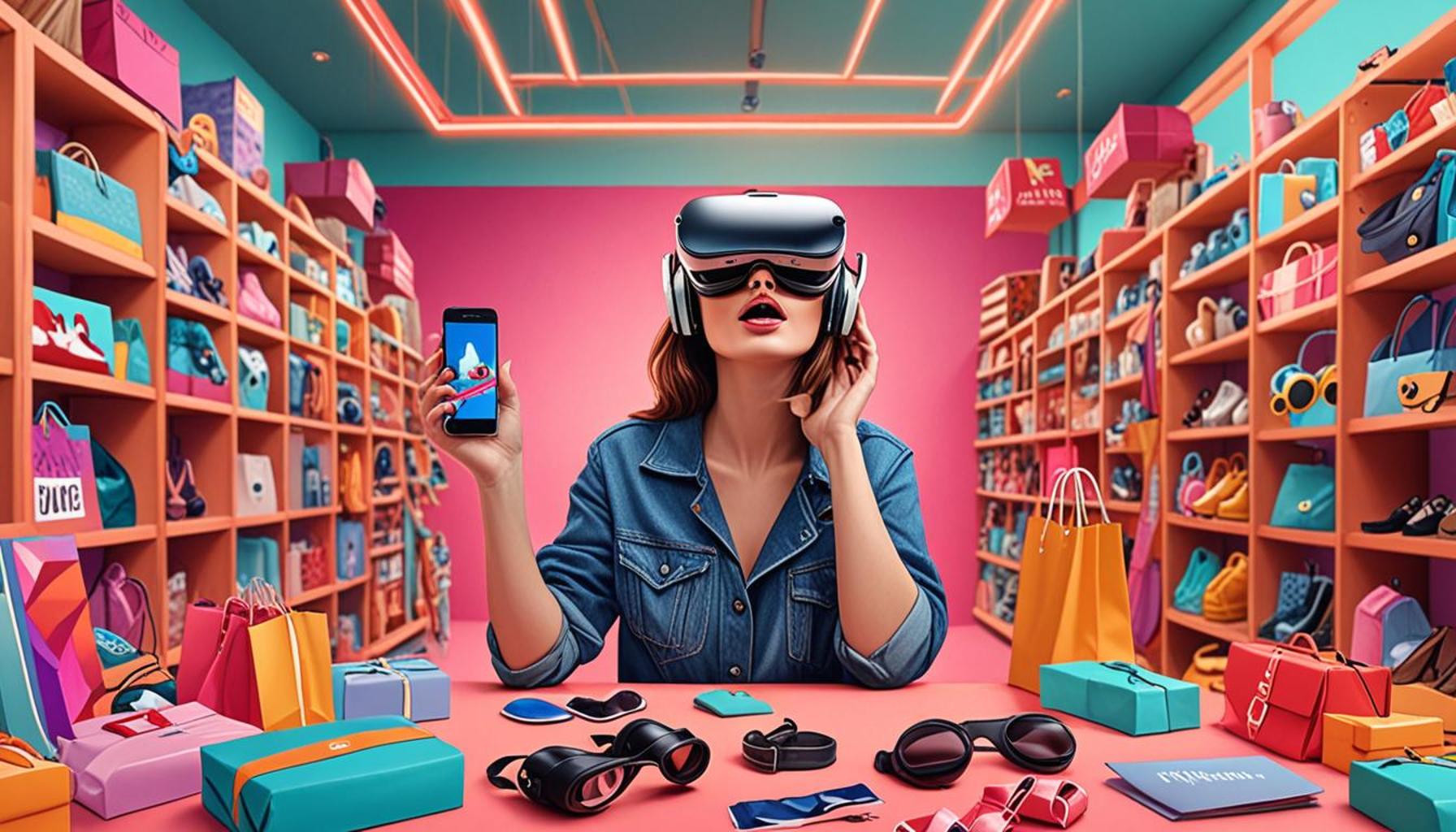
Another exciting innovation is the Interactive Showrooms. These virtual environments allow users to wander through a simulated store layout, exploring different collections and styles just as they would in a brick-and-mortar shop. Shoppers can click on items to view them from multiple angles, read detailed descriptions, and even see how items are styled with other pieces. This sensory-rich experience is intended to replicate the tactile engagement of physical shopping, fostering a deeper emotional connection to the products displayed.
Moreover, technology doesn’t stop there. With Personalized Recommendations, Shein utilizes AI to tailor the shopping experience. As users interact with the platform, the system analyzes their preferences and behaviors to suggest items that align with their tastes. This kind of customization ensures that consumers are not overwhelmed by choices but rather receive curated recommendations that resonate with their style, leading to a smoother purchasing experience.
The impact of integrating VR into retail cannot be overstated. As competition in the online fashion market tightens, those brands that resist embracing such transformative technologies may find it increasingly difficult to attract and retain customers. Shein’s commitment to enhancing the customer experience through these innovations reflects a significant cultural shift, meeting a generation of shoppers who demand more interactive and engaging digital shopping environments.
This technological revolution indicates a potential future where virtual shopping becomes a standard, reshaping expectations around convenience, engagement, and satisfaction in e-commerce. As brands like Shein pave the way, consumers can look forward to a new era of online retail marked by personalization, immersion, and expedience.
DISCOVER MORE: Click here to learn how collaboration is evolving
Revolutionizing Customer Interaction
The integration of Virtual Reality (VR) into the retail sphere is not just about enhancing visuals or convenience; it represents a profound shift in how customers interact with brands. Shein, a frontrunner in the fast-fashion domain, is leveraging VR technology to create an engaging and personalized shopping experience that resonates with consumers in a way traditional retail could only dream of.
One of the key advantages of Shein’s VR innovations is the ability to foster a sense of presence. Customers can now immerse themselves in a virtual environment that looks and feels like a bustling fashion boutique. This virtual space encourages exploration, allowing users to browse collections as if they were strolling through an actual store. Studies show that immersive environments can increase customer engagement by up to 40%, highlighting the incredible potential of VR in making online shopping more compelling and fun.
To illustrate, consider the following features that Shein has incorporated into its VR shopping experience:
- Customizable Avatars: Users can create avatars that reflect their own body shapes, enabling them to visualize how different styles will look on them.
- Virtual Stylist Assistance: Avatars of stylish virtual assistants offer real-time recommendations, adding a layer of personalized shopping guidance.
- Product Interaction: Customers are not limited to passive viewing; they can interact with items by manipulating them, rotating for a 360-degree view, and even ‘trying on’ products virtually.
- Social Shopping Elements: Shoppers can invite friends to join them virtually, mimicking the social experience of physically shopping together, which enhances the sense of community and fun.
Such technological advancements are not merely gimmicks; they are addressing specific pain points in the traditional shopping experience. For instance, the frustration of returning ill-fitting clothes is significantly mitigated by allowing customers to see how items will fit them before making a purchase. Additionally, with VR’s capacity to simulate a real-life shopping experience, Shein is reducing the time consumers typically spend scrolling through endless pages of products. Instead, they can explore a curated selection of styles tailored to their preferences in an engaging format.
Moreover, as the demand for seamless and innovative shopping experiences grows, Shein’s commitment to virtual technology positions it ahead of competitors who may be slow to adapt. By understanding the importance of integrating cutting-edge solutions into their platform, Shein is not only enhancing customer satisfaction but also improving operational efficiency. This strategic approach contributes to Shein’s ability to cater to the modern shopper, who values immediacy, personalization, and engagement in their shopping journeys.
In an era where attention spans are dwindling, brands that can capture their audience’s interest stand to thrive. Shein’s use of VR is an example worth examining, as it exhibits the promise of a future where the lines between online and offline shopping blur, paving the way for a more enriched consumer experience.
The Advantages of Virtual Reality Shopping
As virtual reality (VR) technology becomes increasingly integrated into online shopping experiences, platforms like Shein are at the forefront of this evolution. By offering immersive shopping experiences, VR allows customers to explore product ranges in a completely new way. Traditional online shopping presents several limitations such as static images and lack of context. However, VR transcends these boundaries, enabling shoppers to visualize how clothing looks and fits in a virtual space, ensuring higher confidence in their purchasing decisions.
One of the remarkable benefits of VR in shopping is the ability to engage customers more deeply. Through interactive environments, users can examine products from multiple angles, try on garments virtually, and even style outfits without leaving their homes. This not only enhances the customer experience but also aligns with the growing demand for personalized shopping journeys, as each user can tailor their experience according to their preferences.
Additionally, VR technology can reduce return rates significantly, a common issue in the ecommerce sector. Shoppers can see the fit and feel of items in a simulated environment, minimizing the chances of dissatisfaction upon receiving their orders. This aspect is particularly crucial for Shein, which aims to maintain a competitive edge in fast fashion by leveraging technology to satisfy customer needs.
| Advantages of VR in Shopping | Impact on Customer Experience |
|---|---|
| Enhanced Interaction | Customers can explore products actively and engage with the shopping interface. |
| Reduced Return Rates | Virtual try-ons allow for better-informed purchasing choices, leading to fewer returns. |
The integration of VR technology is paving the way for a shopping experience that is not only convenient but also enjoyable. As consumers increasingly seek innovation, the steps Shein is taking to embrace VR technology illustrate a commitment to reshaping how shopping is experienced in the digital age.
DIVE DEEPER: Click here to discover more about cloud solutions
Enhancing Brand Loyalty Through Immersive Experiences
As Shein continues to pioneer Virtual Reality (VR) shopping, one of its most impactful outcomes is the enhancement of brand loyalty. By integrating immersive solutions into their user experience, Shein fosters emotional connections with its customers, making them more likely to return for future purchases. Consumers today crave personalization and engagement, which are key drivers of brand loyalty in an increasingly competitive landscape.
Recent research shows that consumers who have positive emotional connections to a brand are 80% more likely to buy from that brand again. With VR, Shein succeeds in tapping into this emotional dimension by creating unforgettable shopping experiences. For instance, the concept of virtual fashion shows allows customers to witness new collections come to life. As fashion influencers and models strut down virtual runways, shoppers can interact with items in real-time, deepening their connection to the products and fostering a sense of exclusivity.
Moreover, Shein is capitalizing on the power of gamification to engage shoppers in a new, exciting way. Users can participate in interactive experiences like virtual treasure hunts, where they discover hidden items or discounts within the VR environment. Such gamified elements not only provide entertainment but also incentivize purchases. This new strategy could significantly increase customer retention rates, a welcome change for retailers who have long struggled with customer loyalty in the fast-fashion industry.
Embracing the omnichannel approach, Shein also permits customers to seamlessly switch from the VR experience to their mobile devices or desktops. This integration ensures that consumers have access to their shopping cart and virtual fittings regardless of platform. According to the National Retail Federation, 73% of consumers engage with multiple channels during their shopping journey. By offering a cohesive experience, Shein is catering to this growing trend, enhancing consumer satisfaction and the overall shopping experience.
The potential of VR to gather data insights is another critical aspect Shein is exploring. By analyzing user interactions within the virtual environment, Shein can gain valuable insights into shopping behavior, preferences, and purchasing patterns. This data allows for refined marketing strategies and personalized offers, enabling Shein to target consumers with tailored promotions that enhance engagement further.
Additionally, as Shein continues to expand its reach within the United States, leveraging local influencers and fashion icons in its VR experiences can localize marketing and resonate better with diverse consumer bases. This strategy aligns with the growing trend of hyper-localization in retail, which focuses on targeting specific communities with relevant content. With VR, Shein can showcase regional styles and trends, creating a shopping experience that feels curated specifically for each user.
Furthermore, sustainability, a rising concern among modern consumers, can also be addressed using VR. By offering virtual “try-on” capabilities, Shein can reduce returns and waste associated with ill-fitting clothing. Sustainable fashion choices can be embedded within the VR shopping experience, guiding consumers toward eco-friendly options while still allowing for a sense of immersive exploration.
In this rapidly transforming retail climate, Shein’s innovative approach to integrating VR technology not only enhances the shopping experience but simultaneously bolsters brand loyalty. In a world where every consumer experience counts, Shein is setting the stage for a future where virtual interactions become standard in fashion retail.
DISCOVER: Click here to learn how cloud solutions enhance customer experience
Conclusion: The Future of Retail is Virtual
The integration of Virtual Reality (VR) into the shopping experience at Shein marks a significant shift in the retail landscape, harnessing technology to create engaging, personalized encounters that resonate with today’s consumers. As demonstrated throughout this exploration of Shein’s innovative strategies, the ability to provide immersive experiences such as virtual fashion shows and gamified shopping adventures sets the brand apart from its competitors. This not only enhances the shopping journey but establishes a profound emotional connection that is crucial for fostering long-term loyalty.
Moreover, Shein’s commitment to leveraging data insights ensures that engagements are tailored to individual preferences, enriching the customized experience that shoppers seek. The dual focus on sustainability and local relevance through hyper-localized VR experiences emphasizes an understanding of modern consumer values, ranging from eco-consciousness to community-sharing, which are central to today’s shopping expectations.
Looking ahead, it is evident that Shein is not only reshaping how we perceive fashion retail but is also setting a precedent for the entire industry. As VR technology continues to mature and more consumers embrace this immersive alternative, brands both large and small will need to consider how to integrate similar innovations into their customer experiences. The shopping revolution is indeed here, and the embrace of virtual interactions is a pivotal step toward redefining the future of retail.