
The Future of Online Advertising: Integration of Augmented and Virtual Reality in Filipino Campaigns
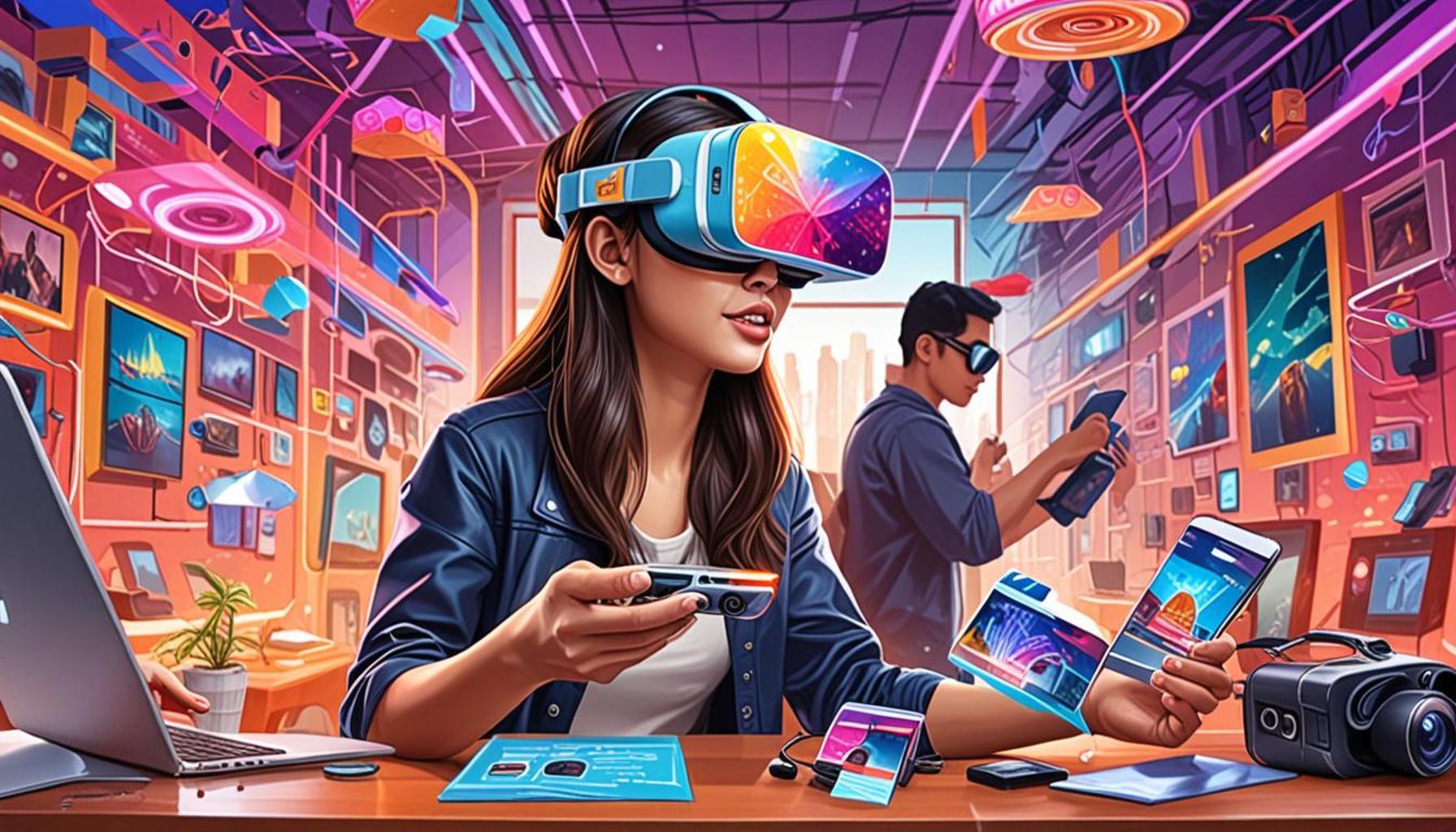
Transforming Advertising with AR and VR
In today’s fast-paced digital world, the integration of technology in advertising is not just beneficial; it is essential for businesses looking to thrive. Augmented Reality (AR) and Virtual Reality (VR) provide unique opportunities to enhance customer experiences and engagement. These technologies allow brands to create realistic and relatable environments that captivate Filipino consumers, making them feel more connected to the products and services offered.
Investment in AR and VR Technologies
To ensure growth and relevance in the competitive landscape, Filipino businesses should invest in AR and VR technologies. For instance, a local fashion brand could utilize AR to allow customers to virtually try on clothes through their smartphones. This not only streamlines the shopping experience but also reduces return rates and increases customer satisfaction. Similarly, a tourism agency could create immersive VR experiences, enabling potential travelers to explore destinations before making a booking, significantly influencing their purchasing decisions.
Enhancing User Engagement
Another crucial strategy is to focus on user engagement. Interactive advertising campaigns that require customer participation can forge deeper connections between the brand and its audience. For example, a food brand in the Philippines could launch an AR cooking app that guides users through recipe preparation while interacting with product features, promoting both brand education and consumption. By fostering a two-way communication channel, businesses can cultivate loyalty and favorable brand perceptions among consumers.
Monitoring Market Trends
Staying updated with evolving market trends is vital for any business looking to maintain relevance. Filipino consumers are increasingly gravitating towards brands that prioritize sustainability and inclusivity. Businesses should continually research consumer preferences and adjust their campaigns accordingly. Utilizing tools like social media analytics and customer feedback can help businesses gauge which types of AR and VR experiences resonate most with their target demographics. For instance, a local cosmetics brand might leverage virtual makeup trials that align with current trends in inclusivity and personal expression.
By strategically embracing AR and VR, Filipino brands position themselves not just as market players but as innovators in a digital-first landscape. Making thoughtful financial decisions in the realm of advertising is bound to yield long-term results; investing in these advanced technologies today could lead to heightened visibility and improved conversion rates in the years to come. Establishing a strong foothold in immersive marketing might very well be the defining factor that paves the way for sustained growth and competitive advantage in the Philippines’ dynamic marketplace.
SEE ALSO: Click here to read another article
Strategic Financial Planning for AR and VR Implementation
The successful integration of Augmented Reality (AR) and Virtual Reality (VR) in Filipino advertising campaigns hinges on meticulous financial planning and investment strategies. Businesses, regardless of size, must view these advanced technologies as long-term assets rather than short-term costs. To achieve this, companies should consider forming a clear budget allocation specifically dedicated to the development and integration of AR and VR solutions, effectively setting the stage for a transition into an engaging digital marketing era.
Establishing a Dedicated Budget
Creating a dedicated budget for AR and VR initiatives is essential for any brand aiming to harness their potential. An ideal financial strategy involves:
- Initial Investment: Allocate funds for acquiring the necessary technology tools, software licenses, and potential partnerships with AR and VR developers.
- Ongoing Development: Set aside a portion of the budget for continuous updates to the AR and VR content, ensuring brand relevance and alignment with consumer preferences.
- Marketing Costs: Consider the expenses tied to promoting AR and VR experiences across digital platforms, allowing for maximum reach and consumer engagement.
- Training for Staff: Invest in training programs for employees to understand and effectively utilize these technologies, fostering innovation and creativity within the brand.
Moreover, companies should not underestimate the importance of tracking the return on investment (ROI) generated from these campaigns. By establishing key performance indicators (KPIs) such as engagement rates, conversion rates, and customer feedback, brands can evaluate the success of their AR and VR initiatives, allowing for informed adjustments and refinements of their strategies over time.
Long-term Impact of Investments
The long-term impact of investing in AR and VR technologies in the advertising realm can yield significant dividends. By enriching user experiences, Filipino brands cultivate deeper emotional connections with consumers, ultimately leading to brand loyalty and increased sales. For example, a Filipino restaurant chain could employ AR to showcase a virtual tour of their kitchen, highlighting their commitment to cleanliness and quality ingredients, thereby increasing trust and appealing to health-conscious customers.
Furthermore, integrating these technologies with data analytics allows businesses to fine-tune their offerings based on real-time feedback from consumers. The power of personalized marketing cannot be overstated; AR and VR can create tailored experiences that resonate with individual preferences, enhancing customer satisfaction and retention. As Filipino consumers become more discerning, the ability to meet and exceed their expectations becomes paramount in ensuring continued business success.
In conclusion, strategic financial investments into AR and VR technologies can transform how Filipino brands interact with consumers in the digital sphere. By planning thoroughly, allocating necessary funds, and staying committed to long-term goals, Filipino businesses can position themselves at the forefront of an exciting new frontier in online advertising.
CHECK OUT: Click here to explore more
Leveraging Consumer Insights for Targeted AR and VR Campaigns
As Filipino brands embark on the journey of integrating AR and VR into their advertising strategies, leveraging consumer insights becomes pivotal in crafting immersive experiences that drive engagement and conversion. Understanding the preferences, behaviors, and expectations of the target audience can guide brands in developing effective AR and VR content that resonates with consumers on a personal level.
Consumer Research and Data Analytics
To create impactful AR and VR campaigns, businesses need to invest time and resources in comprehensive consumer research. This investment can involve:
- Surveys and Focus Groups: Conduct surveys and organize focus groups to gather qualitative and quantitative data around consumer sentiments toward AR and VR technology, specifically in the context of marketing.
- Behavioral Analytics: Utilize tools that track user interactions with existing digital content. By analyzing click-through rates, time spent on various platforms, and behavioral trends, brands can identify specific preferences and interests.
- Social Media Insights: Engage with consumers through social media platforms to understand trending topics and influences that drive engagement, enabling brands to create timely and relevant AR and VR experiences.
This data-driven approach allows brands to craft tailored AR and VR experiences that reflect the cultural nuances and expectations of Filipino consumers, thus making campaigns more relatable and effective. For instance, a local fashion brand can utilize AR to create a virtual fitting room experience tailored to the diverse body types and preferences of Filipino shoppers, enhancing their shopping experience while simultaneously minimizing return rates.
Personalization in AR and VR Advertising
One of the distinguishing advantages of AR and VR technology is the ability to deliver personalized experiences at scale. By utilizing insights from consumer behavior and preferences, brands can develop customized AR and VR content that speaks directly to the individual needs of their audience. Strategies to ensure personalization include:
- Customized User Journeys: Implementing dynamic user pathways that adapt based on consumer actions and choices within the AR or VR experience, allowing for a more engaging and tailored interaction.
- Local Relevance: Infusing local culture, traditions, and language into AR and VR content. For example, integrating local landmarks or cultural references within virtual experiences can foster a stronger connection with Filipino consumers.
- Gamification Elements: Creating interactive and rewarding experiences can increase engagement; incorporating gamified features like rewards or challenges can drive user participation and brand loyalty.
By focusing on the personalization aspect of AR and VR, Filipino brands can not only optimize customer experiences but also build an emotional bond with consumers. This connection paves the way for fostering long-term relationships, driving repeat business, and amplifying brand advocacy.
As Filipino companies strive for digital transformation, it’s crucial to explore partnerships with tech-savvy startups and innovation hubs specializing in AR and VR technologies. Such collaborations can provide unique insights and access to cutting-edge solutions that amplify the effectiveness of advertising campaigns. By fostering a culture of innovation, brands can remain agile and responsive to the evolving landscape of digital advertising.
In this age of rapid technological advancement, prioritizing consumer insights and personalization in AR and VR campaigns will set Filipino brands apart from competitors, allowing them to navigate the complexities of consumer preferences while achieving meaningful engagement and sustainable growth.
SEE ALSO: Click here to read another article
Conclusion
The integration of augmented reality (AR) and virtual reality (VR) into online advertising presents a transformative opportunity for Filipino brands to engage with their audiences in meaningful ways. As the digital landscape evolves, consumers are increasingly seeking immersive experiences that resonate on a personal level. By utilizing detailed insights derived from consumer research, brands can precisely target their messaging and create tailor-made AR and VR campaigns that reflect cultural relevance and individuality.
Strategically investing in AR and VR technologies not only enhances customer interaction but also positions brands at the forefront of innovative marketing strategies. This forward-thinking approach has the potential to yield long-term benefits, such as improved customer loyalty and increased advocacy for brands that embrace these advanced platforms. Companies that harness personalization, adaptability, and local cultural elements in their campaigns will create an emotional connection with their consumers, fostering lasting relationships.
Moreover, as Filipino businesses commit to digital transformation, partnering with tech experts and innovation hubs will be crucial. These collaborations can facilitate access to the latest technological advancements and expertise, further enhancing the effectiveness of AR and VR strategies. Ultimately, the adoption of these immersive technologies in advertising not only prepares Filipino brands for future challenges but also lays the groundwork for sustainable growth by aligning financial strategies with consumer desires.
In the competitive world of online advertising, the thoughtful integration of AR and VR will define the future landscape, allowing Filipino brands to create captivating experiences that significantly improve customer engagement while achieving long-term success.