The New Frontier of Retail: How Shein is Using Virtual Reality to Enhance the Personalization of the Shopping Experience
The Impact of Virtual Reality in Retail
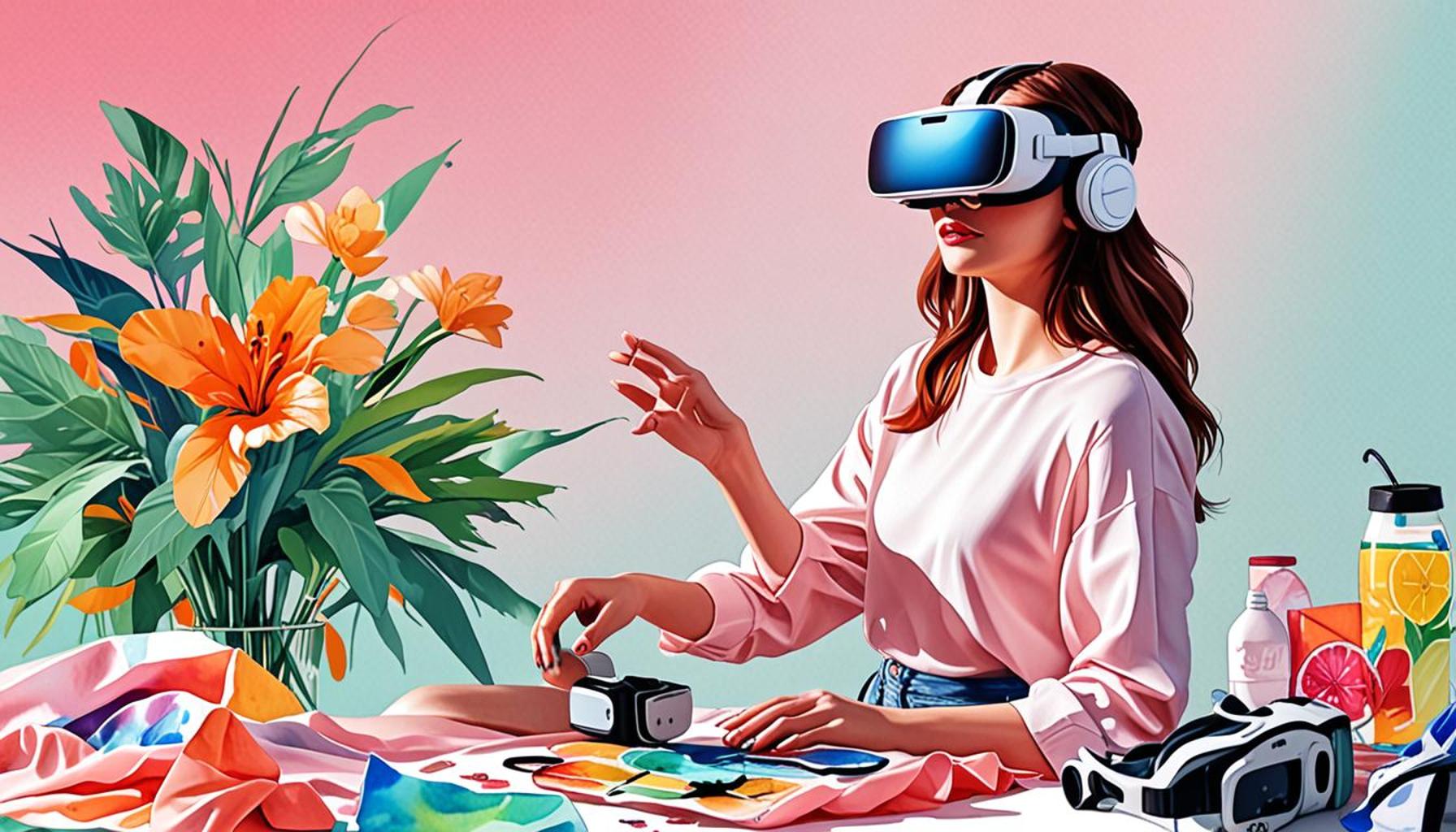
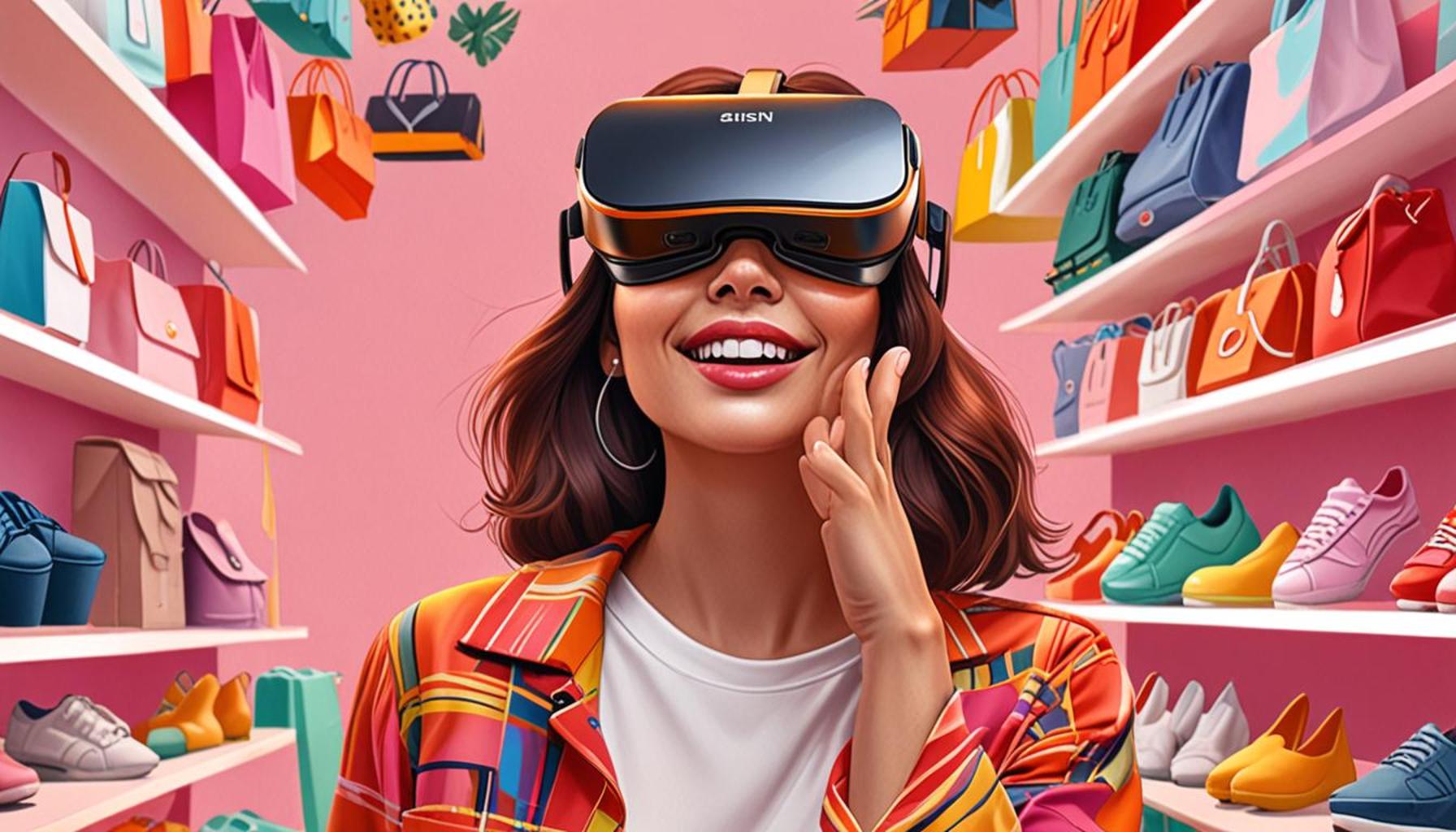
As we navigate through an era of rapid technological evolution, the retail landscape is experiencing seismic shifts that are redefining consumer experiences. One of the most compelling advancements is the rise of virtual reality (VR), which is not just a novelty but a transformative tool that reshapes interactions between brands and shoppers. Among the innovators harnessing this potential is Shein, a prominent name in the fast fashion industry, known for its agility and trend responsiveness.
Revolutionizing Personalization
A key aspect of Shein’s approach is enhanced personalization. By leveraging VR, the company can analyze consumer data to provide tailored recommendations based on individual preferences, style histories, and purchase behaviors. For instance, if a shopper often browses for casual summer outfits, Shein can create a virtual environment showcasing curated selections of tank tops, shorts, and accessories, all while adapting as the consumer’s preferences change. This level of bespoke variety not only simplifies the shopping journey but also fosters a stronger emotional connection between the consumer and the brand.
Creating Immersive Shopping Experiences
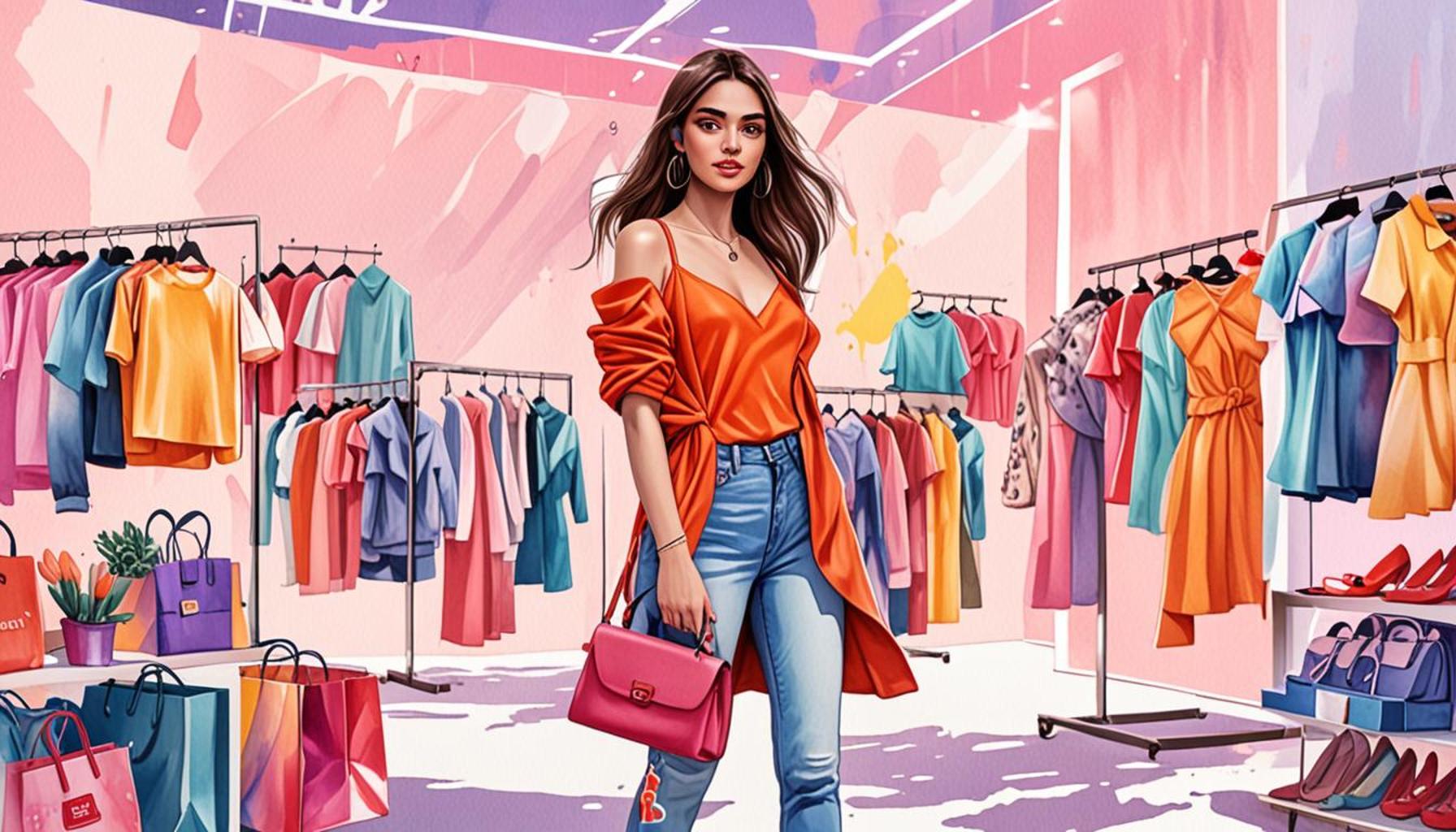
Another revolutionary aspect of Shein’s VR strategy is immersive shopping. Imagine stepping into a virtual boutique where you can navigate through racks of clothing and accessories, exactly as you would in a physical store but without the constraints of geography or time. Users can experience 360-degree views of products, allowing them to examine textures, colors, and designs in minute detail. It offers a level of engagement that traditional online shopping cannot achieve, serving a demographic that craves a sensory experience in an increasingly digital world.
Interactive Visualization of Products
VR technology also enhances shopping with its interactive features. Shoppers can visualize how clothing will fit and appear in real-time, utilizing avatars that mirror their own body dimensions and styles. This functionality can dramatically reduce return rates—an issue that plagues online retailers—since customers can make more informed purchasing decisions. For example, before finalizing a purchase for a pair of jeans, a shopper can see how they fit their avatar, ensuring they feel confident in their selection.
The Future of Shopping
Shein’s innovative VR initiatives make it clear that the future of retail lies in creating engaging, individualized experiences. As consumers become accustomed to these interactive environments, the demand for traditional retail methods may decline, reshaping the industry’s standards. Retailers who fail to adapt could risk losing relevance in an increasingly competitive marketplace.
Additionally, the implications of this technological leap extend beyond just Shein—other brands are likely to follow suit, driven by the necessity to foster customer loyalty and enhance shopping satisfaction in a crowded online space. The convergence of fashion and technology heralds an exciting new chapter where every consumer can engage with brands in ways previously thought unimaginable. As virtual reality continues to evolve, one thing is certain: the shopping landscape is poised for a revolution that could redefine what it means to buy fashion.
DISCOVER MORE: Click here to learn how Shein enhances its supply chain
Embracing the Future with VR Technology
As the retail landscape continuously evolves, virtual reality (VR) has emerged as a game-changer, particularly in how consumers engage with brands. Shein, a leader in fast fashion, is at the forefront of this revolution, showcasing how VR can enhance personalization and redefine the shopping journey. By integrating VR into its online ecosystem, Shein is not just keeping pace with technological advancements; it is setting a benchmark for others in the industry.
Personalized Shopping Journeys
At the core of Shein’s VR initiative is the commitment to deliver customized shopping experiences. With the ability to analyze vast amounts of consumer data, Shein crafts unique virtual environments that resonate with individual customers. Leveraging algorithms that evaluate preferences, browsing habits, and previous purchases, Shein can curate product offerings that feel particularly relevant to each shopper. This adaptation means that no two shopping experiences are alike, as users are guided through personalized collections that cater to their specific tastes.
The Role of Data Analytics
VR in retail transcends mere visual appeal; it is deeply intertwined with data analytics. Shein utilizes sophisticated analytics tools to continually refine its VR interfaces based on user interactions. For example, if data shows a spike in interest for bohemian-style dresses among a subset of users, the virtual shopping environment dynamically showcases these pieces more prominently for that demographic. This data-driven approach ensures that personalization is not static but evolves with consumer trends and preferences.
Features Enhancing Customer Engagement
Shein’s VR platform is layered with features designed to keep customers engaged and satisfied, including:
- Virtual Try-Ons: Customers can use their avatars to try on clothes, providing a realistic sense of fit and style.
- 360-Degree Views: Shoppers can inspect items from all angles, experiencing the look and feel of products as though they were in a physical store.
- Style Recommendations: The system can suggest complementary items, allowing for easy outfit building that aligns with user preferences.
- Shopping Events: Shein can host virtual shopping events, creating a sense of community and urgency around product launches or seasonal promotions.
These interactive features are not just enhancements but fundamental shifts in how consumers perceive and interact with the shopping experience. In embracing these advancements, Shein effectively blurs the line between online and offline shopping, ushering in a new reality for consumers who seek convenience alongside a deeply personal touch.
Driving Customer Retention
By integrating VR technology with a focus on personalization, Shein not only innovates shopping experiences but also addresses a crucial factor in retail: customer retention. As consumers become more accustomed to these advanced experiences, they are likely to develop stronger brand loyalty. This is vital in an era where options are abound, and the digital market is saturated with competition. Brands that fall short in engagement and personalization risk becoming obsolete, and Shein’s innovative approach serves as a blueprint for sustaining consumer interest in a rapidly changing retail environment.
| Advantage | Description |
|---|---|
| Enhanced Customer Engagement | Shein’s use of virtual reality creates immersive shopping experiences, keeping customers engaged longer than traditional methods. |
| Real-time Personalization | The incorporation of AI-driven recommendations allows shoppers to see tailored outfits, enhancing their overall shopping journey. |
In the expansive realm of retail innovation, Shein emerges as a pioneer by implementing virtual reality (VR) to transform the shopping experience. This approach is not merely a gimmick; it’s a strategy designed to respond to the evolving expectations of consumers who crave personalization in their shopping journeys. By leveraging the magic of VR, Shein draws shoppers into a world where they can not only view but interact with products in an immersive environment.Moreover, the integration of AI-driven algorithms allows Shein to offer real-time product recommendations. Imagine a shopper donning VR goggles and instantly being presented with items that suit their style preferences, body type, and even current fashion trends. This blend of technology not only enhances personalization but also ensures that customers feel valued, understood, and more likely to complete a purchase. As virtual reality technology continues to advance, the potential for Shein to further innovate in personalized retail experiences will undoubtedly redefine consumer expectations and set new standards in the fashion industry.
DISCOVER MORE: Click here to dive deeper
Transforming Customer Interactions Through VR
As Shein continues to break new ground in the retail sector, the way customers interact with its virtual reality shopping experience is encapsulating the essence of modern consumer behavior. Today’s consumers expect brands to understand their unique preferences, and Shein is responding by utilizing VR to create immersive shopping environments that foster deeper connections.
Virtual Communities and Social Shopping
One of the hallmark features of Shein’s innovative VR approach is the creation of virtual shopping communities. Within these spaces, users can navigate together, share experiences, and even shop alongside friends or family members. This element of social shopping is becoming increasingly popular, as it allows customers to receive real-time feedback from their peers. For instance, shoppers can invite friends to join them in trying on virtual outfits and can vote on their favorites, essentially replicating the enjoyable experience of going to a store with friends. This not only adds a layer of fun but also encourages engagement, making the shopping experience more memorable.
Enhanced Customer Insights
The data collected from these virtual interactions does not just enhance Shein’s personalization efforts; it also provides invaluable insights into consumer behavior. By tracking how customers move through the virtual store, which items they interact with most, and how often they engage in conversations with friends during their shopping sessions, Shein can optimize its offerings further. This data-driven model allows Shein to adjust its product lines quickly, targeting the wants and needs of its customer base virtually in real-time. As a result, analytics not only support VR but amplify its potential by creating a cycle of continuous improvement in customer experience.
Sustainable Practices Through VR
Amidst the fast fashion debate, Shein is also leveraging VR technology to promote sustainability, a topic that resonates strongly with today’s environmentally-conscious shoppers. The brand integrates educational components within its VR platforms, informing users about sustainable practices in the fashion industry. This might include virtual demonstrations on how to care for garments to extend their lifespan or options for clothing recycling. By informing consumers and prompting responsible purchasing behaviors, Shein positions itself as a forward-thinking brand, appealing to a demographic that values sustainability as much as style.
Integration with Emerging Technologies
Looking forward, Shein is set to combine its VR endeavors with other emerging technologies such as augmented reality (AR) and artificial intelligence (AI). For example, AR can enhance the virtual try-on experience, allowing customers to see how items might look in different environments or with various accessories. Moreover, integrating AI algorithms can allow for an even more refined personalization by predicting future shopping trends based on past interactions. This partnership between VR and other technologies underscores Shein’s willingness to innovate continuously and adapt to changing consumer expectations.
Challenges and Considerations
Despite the vast potential that VR offers, Shein faces several challenges as it navigates this new landscape. Technical issues, such as VR headset accessibility and potential VR-induced fatigue among users, must be addressed to ensure a seamless shopping experience. Moreover, as customer expectations rise, Shein must consistently innovate and improve its VR platform to keep engagement high. Failing to do so could risk alienating users who may perceive the brand as static or outdated in their technology adoption.
Nonetheless, Shein’s efforts exemplify how VR can significantly influence retail by making shopping more personalized, engaging, and even sustainable. As more consumers embrace these advancements, the future of retail appears destined for transformation.
DIVE DEEPER: Click here for insider tips on maximizing your savings!
Conclusion
In conclusion, Shein is pioneering a transformative approach to retail by leveraging virtual reality (VR) to enhance the personalization of the shopping experience. Through its innovative VR platforms, the company not only provides users with an engaging and interactive way to shop but also bridges the gap between physical and digital retail. The concept of social shopping within virtual communities has revolutionized how customers engage with each other and the brand, making the shopping process more collaborative and enjoyable.
Moreover, the data-driven insights gained from VR interactions empower Shein to make real-time adjustments to its offerings, ensuring that customer preferences are not only acknowledged but anticipated. This adaptability does not come at the cost of sustainability; rather, Shein is using its technological advancements to educate consumers about responsible purchasing behaviors, positioning itself as a socially-conscious choice in the fast fashion landscape.
As Shein continues to explore synergies between VR and other emerging technologies like augmented reality (AR) and artificial intelligence (AI), the potential for an even more personalized experience becomes increasingly achievable. However, addressing the technical challenges associated with VR adoption remains critical to maintaining customer engagement and avoiding alienation of users. In navigating these complexities, Shein sets a compelling example of how the retail sector can embrace technological advancements not just as trends but as substantial enhancements to consumer experience. The future of retail is undoubtedly on the horizon, and Shein is leading the way through its commitment to innovation in personalization.

Linda Carter
Linda Carter is a writer and expert known for producing clear, engaging, and easy-to-understand content. With solid experience guiding people in achieving their goals, she shares valuable insights and practical guidance. Her mission is to support readers in making informed choices and achieving significant progress.