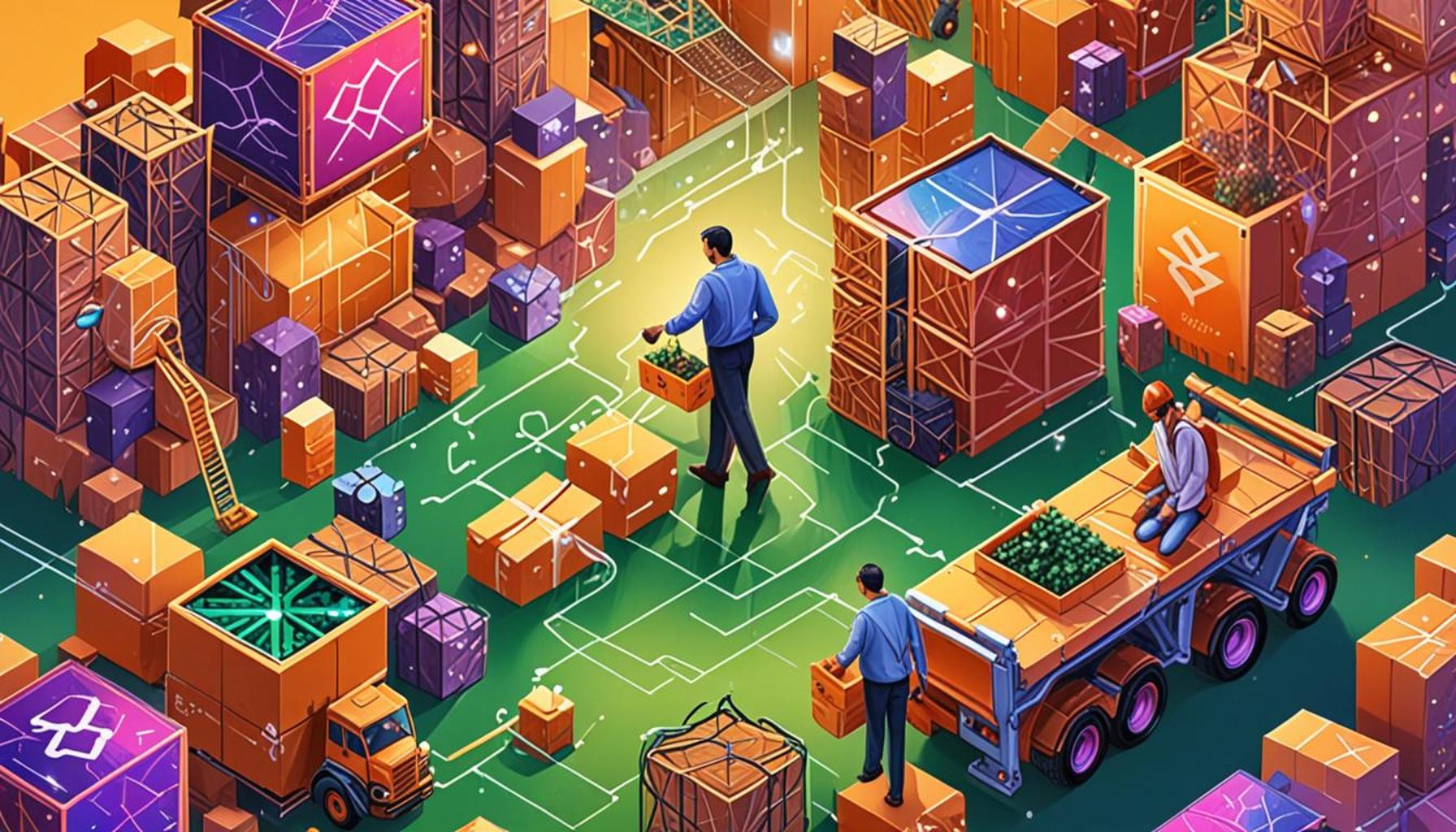
The Integration of Blockchain in Shein’s Supply Chain: Transparency and Sustainability in Focus
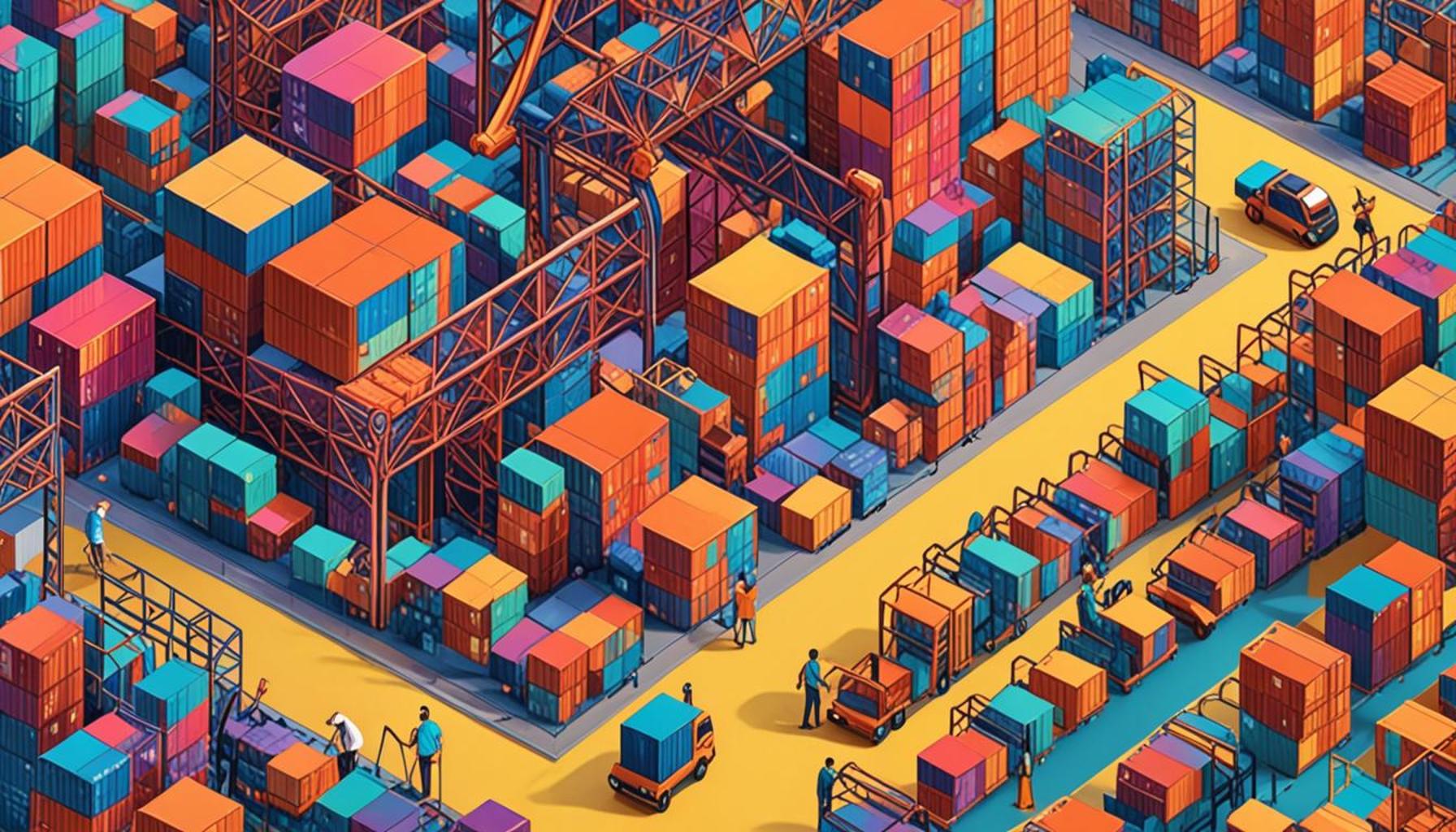
The Role of Blockchain in Retail Transformation
The retail landscape is undergoing a profound shift, driven in large part by advancements in technology. In this context, Shein—a standout name in the fast fashion sector—is pioneering a transformative approach to its supply chain by embracing blockchain technology. This initiative reflects a growing recognition of the necessity for greater transparency and sustainability in business practices, particularly in an era where consumers are increasingly demanding ethical accountability from brands.
The Need for Accountability
As consumers in the United States and across the globe become more aware of the implications of their purchasing decisions, the demand for enhanced accountability from brands is escalating. This push comes amid concerns regarding labor exploitation, environmental degradation, and the overall sustainability of production practices. Blockchain technology offers a solution by providing a decentralized ledger that can document every step of a product’s journey, from raw materials to the final sale.
Key Benefits of Blockchain Integration
The implementation of blockchain in Shein’s supply chain can yield several key benefits:
- Real-time tracking of products from the point of origin to the retail shelf can empower consumers with information about where and how their clothing was made. For example, if a customer in New York purchases a dress, they could view a digital trail showing the sourcing of fabrics from sustainable farms and the conditions in which workers were employed.
- Immutable records ensure that all data regarding product authenticity is securely stored, significantly reducing the risk of counterfeiting and fraudulent claims. This not only builds trust with consumers but also protects the reputation of the brand.
- Streamlined processes help to eliminate inefficiencies in the supply chain. By using blockchain for inventory management and logistics, Shein can optimize shipping routes, reduce waste, and further minimize its carbon footprint—a major concern for environmentally conscious shoppers.
Setting a Precedent
By taking this bold step into blockchain technology, Shein does not merely respond to consumer demands; it positions itself as an innovative leader in the fashion industry. The potential success of this initiative could serve as a guiding example for other brands in the retail sector. As sustainability becomes an increasingly vital component of corporate responsibility, the insights gained from Shein’s blockchain integration could inform best practices across the industry.
A Shift Towards Transparency
The modern consumer seeks not only stylish clothing but also a commitment to ethical practices. By making strides towards transparency, Shein can appeal to a demographic that is increasingly prioritizing sustainable choices. As discussions around responsible sourcing grow, Shein’s integration of blockchain technology may challenge outdated norms and push the industry toward a more sustainable future.
FIND OUT MORE: Click here for insights on shopping safely
Transforming Supply Chain Operations
The integration of blockchain technology into Shein’s supply chain marks a significant evolution in how retail operations can be executed with greater efficiency and responsibility. By leveraging this technology, Shein not only enhances productivity but can also forge a new connection with its customers—one rooted in transparency. As consumers demand accountability from brands, Shein’s blockchain initiative represents a proactive response to these evolving expectations.
How Blockchain Works in Supply Chain
At its core, blockchain operates as a decentralized ledger that records transactions across multiple computers, ensuring that the data cannot be altered retroactively. This characteristic makes blockchain ideally suited for supply chain management, where documentation of each transaction—from the sourcing of raw materials to the final customer purchase—is critical. For Shein, this means providing a clear, unalterable record of all components involved in producing their clothing. The implications for consumer trust are enormous, as customers can access verifiable information about product origin and the supply chain’s ethical standards.
Consumer Engagement Through Provenance
One innovative feature of Shein’s blockchain integration is its ability to offer consumers detailed product provenance. Through a simple scan of a QR code or an app, customers can trace the journey of a garment. They can learn about the sourcing of materials, the factories involved in its production, and labor practices along the way. This level of engagement not only empowers consumers but also fosters a deeper emotional connection with the brand.
Addressing Environmental Concerns
As the pressure grows to address environmental issues, Shein’s adoption of blockchain technology could lead to substantial advancements in sustainability. By monitoring and managing logistics with real-time data, the company can fine-tune its operations to reduce waste and optimize shipping. For instance, implementing blockchain in logistics can facilitate improved route planning, reduce carbon emissions associated with transportation, and ultimately lead to a smaller ecological footprint.
The Role of Partnerships
To fully capitalize on the benefits of blockchain, Shein focuses on forming partnerships with other players in the supply chain, including suppliers and technology providers. Collaborative efforts can pave the way for a more comprehensive approach to sustainability, where all stakeholders work towards common goals of transparency and ethical production. Each partner’s adherence to established supply chain standards can be tracked and verified, ensuring compliance with environmental and labor guidelines.
Future Implications for the Retail Industry
As more brands observe Shein’s blockchain initiative, there is potential for a wider ripple effect throughout the retail sector. Adopting similar technologies could lead many companies toward enhanced transparency and sustainability practices, pushing the industry toward an era where ethical responsibility is no longer optional but a fundamental expectation. By pioneering such innovations, Shein is not just reshaping its supply chain but also setting new standards for global retail practices.
As Shein embarks on the journey of integrating blockchain technology within its supply chain, the implications for transparency and sustainability are profound. Blockchain enables the creation of a decentralized ledger where every transaction, from sourcing materials to delivering products, is recorded in real-time, providing an unalterable track of the supply chain process. This degree of visibility allows consumers not only to understand the origin of their purchases but also to verify ethical practices adopted throughout the production cycle.
Moreover, by leveraging blockchain, Shein can enhance its sustainability efforts. The technology can be implemented to monitor environmental impacts, such as carbon footprints, facilitating a more responsible approach to sourcing and manufacturing. With the growing consumer demand for eco-friendly practices, the integration of blockchain not only fosters accountability but also positions Shein favorably in a competitive market increasingly dominated by eco-conscious shoppers.
In addition to visibility and sustainability, blockchain offers a solution for reducing counterfeit goods, which is particularly crucial in the fast fashion industry. By ensuring that every item can be traced back to its authentic origin, Shein can protect its brand integrity and offer genuineness to its customers, ultimately enhancing brand trust and loyalty.
| Category | Advantages |
|---|---|
| Transparency | Immutable record of transactions, ensuring authenticity. |
| Sustainability | Monitor environmental impact and improve ethical sourcing of materials. |
The intersection of blockchain technology and Shein’s supply chain exemplifies a forward-thinking model where innovation meets social responsibility. As this integration unfolds, the potential for setting new industry standards is immense, inviting both curiosity and scrutiny from consumers and stakeholders alike.
DISCOVER MORE: Click here to learn how to shop easily
Empowering Ethical Consumerism
In an era where consumers are increasingly mindful of where and how their products are made, Shein’s integration of blockchain technology offers a unique opportunity to promote ethical consumerism. As customers become more conscious of their purchasing decisions, they often seek brands that align with their values. By harnessing blockchain, Shein provides evidence of its commitment to ethical sourcing and production practices.
The ability to access detailed information about a garment, including its material sources and production processes, empowers consumers to make informed choices. For example, a shopper interested in sustainable fashion can easily ascertain whether a product is made from organic materials or if it was manufactured in factories adhering to fair labor standards. This transparency fosters trust and loyalty among consumers, potentially boosting sales and customer retention.
Blockchain’s Role in Counteracting Counterfeit Products
Another significant advantage of blockchain in retail is its potential to combat counterfeit products. The fashion industry suffers from a high prevalence of counterfeit goods, which can undermine brand integrity and consumer trust. With blockchain, each item can come with a unique identifier securely recorded on the blockchain, allowing both consumers and retailers to verify the authenticity of a product swiftly. This assurance not only protects Shein’s brand reputation but also adds substantial value to the consumer experience.
Enhancing Supply Chain Agility
In addition to promoting transparency, blockchain technology helps improve the overall agility of Shein’s supply chain. The ability to share real-time data across the supply chain enables faster responses to market demands and shifts in consumer behaviors. For instance, if a specific style suddenly gains popularity, Shein can quickly adjust its production schedules thanks to the insights gained through blockchain analytics. This adaptability is particularly crucial in the fast-paced fashion sector, where trends can change overnight.
Moreover, by reducing lead times and managing inventory more effectively, Shein can further curtail overproduction—a significant driver of waste in the fashion industry. The result is a more responsive supply chain that aligns with current market dynamics while promoting sustainability.
Challenges and Considerations
Despite the numerous benefits, the implementation of blockchain within Shein’s supply chain does not come without challenges. One critical issue is the integration of existing systems with blockchain technology. Shein must ensure that all partners in its supply chain, from raw material suppliers to manufacturers, can adopt and use this technology effectively. This transition may require significant investments in training and infrastructure, which could pose risks to their operational efficiency during the rollout phase.
Additionally, regulatory compliance is an ongoing challenge that retailers must navigate. As blockchain solutions evolve, companies like Shein will have to remain vigilant about staying ahead of regulatory requirements concerning data privacy and consumer protection. Striking a balance between transparency and protecting sensitive business information will be key in the long run.
Consumer Education through Innovation
To maximize the success of its blockchain integration, Shein recognizes the importance of educating its consumers on how to engage with this new system. Through marketing campaigns and interactive digital experiences, Shein can encourage its audience to utilize the blockchain features available to them effectively. For instance, tutorial videos on how to scan QR codes and access product histories could greatly enhance consumer interaction and foster a culture of transparency.
In a broader context, Shein’s approach could serve as a model for other retail giants seeking to enhance their supply chains with blockchain technology. By leading the way in transparency and sustainability, Shein might set in motion a movement toward a more ethical and responsible retail industry, benefiting businesses and consumers alike.
DON’T MISS OUT: Click here to unlock your savings
Conclusion
As Shein navigates the complexities of the modern fashion landscape, the integration of blockchain technology into its supply chain signals a transformative shift towards enhanced transparency and sustainability. By leveraging blockchain’s inherent capabilities, Shein is not only addressing the growing demand for ethical consumerism but also safeguarding its brand against the threats of counterfeiting and inefficiency in production.
The ability to authenticate products while providing customers with detailed histories empowers consumers to make choices that resonate with their values—especially in a marketplace that increasingly prioritizes social responsibility. Additionally, blockchain’s potential to streamline supply chain processes allows Shein to respond swiftly to ever-shifting trends, thus aligning production with consumer preferences while mitigating overproduction—an enduring challenge in the fashion industry.
However, the journey toward a fully integrated blockchain system is not without hurdles. Shein must navigate the complexities of system integration and regulatory frameworks while ensuring that all stakeholders in its supply chain are equipped to adapt to this new technology. Furthermore, educating consumers on how to leverage blockchain’s advantages will be crucial in fostering a culture of transparency.
Ultimately, the successful implementation of blockchain within Shein’s operations could serve as a blueprint for other retailers contemplating a similar transition. As the fashion industry pivots towards sustainability, Shein’s proactive approach may indeed inspire a more responsible retail environment, appealing to consumers and contributing positively to the global movement for ethical fashion.

Linda Carter
Linda Carter is a writer and expert known for producing clear, engaging, and easy-to-understand content. With solid experience guiding people in achieving their goals, she shares valuable insights and practical guidance. Her mission is to support readers in making informed choices and achieving significant progress.