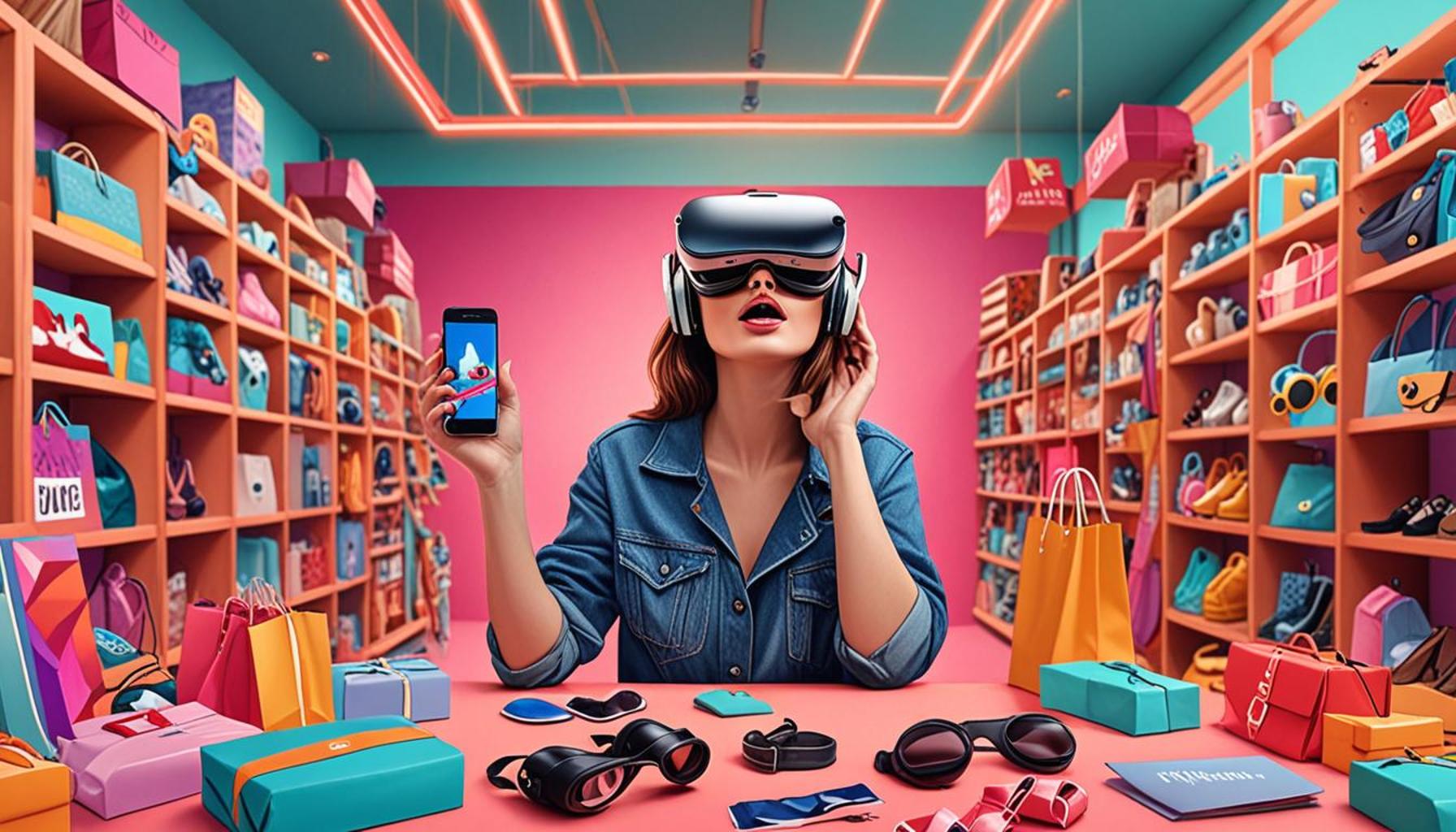
The Transformation of Customer Service Through Virtual Reality

Transforming Customer Engagement with VR
The integration of Virtual Reality (VR) into customer service is revolutionizing the way businesses engage with their clients. By creating immersive experiences, companies can allow customers to interact with products or services in a way that was previously impossible. Imagine walking through a virtual show room, trying out a car by sitting in it and experiencing its features before making a purchase. This kind of engagement enables customers to gain a deeper understanding of what they are buying, reducing uncertainty and increasing satisfaction.
Moreover, VR not only caters to individual customers but can also facilitate real-time assistance. Imagine a scenario where a customer is struggling to set up a new electronic gadget. Through VR technology, a virtual avatar can step in, guiding them through the process as if they were standing right beside them. This capability means that businesses can offer 24/7 support, responding instantly to queries and problems, which can lead to quicker resolutions and a more streamlined experience for customers.
Training and Development with VR
Beyond the customer interface, VR has significant implications for employee training as well. In traditional settings, new employees may take weeks or months to become proficient in handling customer queries effectively. However, with training simulations, employees can practice customer interactions in a controlled and safe environment. For instance, they can encounter various customer scenarios—from handling complaints to upselling products—without the stakes involved in real-life interactions. This method not only accelerates learning but also builds confidence in employees, equipping them with the skills necessary to excel in real customer service situations.
The benefits of VR extend beyond improved customer interactions and employee training. By enhancing efficiency and reducing operational costs, companies can allocate resources more effectively. The shift to VR means less reliance on traditional customer service channels, which can often be resource-intensive. As businesses continue to adapt to this technology, the potential for innovation within customer service is vast and continually evolving.
In summary, Virtual Reality stands as a monumental tool reshaping the landscape of customer service. It provides enhanced engagement for customers, real-time support through virtual avatars, and powerful training solutions for employees. As organizations harness the capabilities of VR, they are not just keeping up with trends; they are paving the way for the future of customer interaction, thereby fostering lasting relationships and greater business success.
Enhancing Customer Experiences with Virtual Reality
The advantages of Virtual Reality (VR) in customer service are vast, offering businesses the ability to create experiences that are not only engaging but also informative. When customers explore products using VR, they engage in a way that traditional media cannot replicate. It’s not just about seeing a product; it’s about feeling as though they are part of the experience. For instance, in the real estate sector, prospective homebuyers can use VR to virtually tour properties, navigating through rooms and experiencing the layout as if they were physically present. This level of immersion helps them envision living in the space, significantly influencing their decision-making process.
VR also opens the door to personalized customer journeys. By leveraging data analytics, businesses can tailor virtual experiences to meet individual preferences. Imagine a sporting goods store that allows a customer to try on different basketball shoes in a virtual arena, adjusting the look and fit in real-time. Such interactivity encourages customers to make more informed choices, thereby improving their overall satisfaction and likelihood of a purchase.
In addition to enhancing customer journeys, VR significantly improves operational efficiency through streamlined processes. Businesses can identify pain points that exist within their customer service framework and address them proactively. Here are a few ways in which VR contributes to operational efficiencies:
- Reduction in Returns: By allowing customers to engage with products virtually, businesses can reduce the likelihood of returns due to dissatisfaction or misperception of product features.
- Interactive Marketing: Companies can use VR for innovative advertising campaigns that captivate audiences and provide an engaging way to showcase product features.
- Scalability: VR training can be scaled rapidly to accommodate new products or services, ensuring employees are always equipped with the latest knowledge.
Moreover, cost efficiency is another significant benefit of utilizing VR in customer service. Traditional service methods often involve high overhead costs—think of the expenses linked to retail spaces, physical inventory, and staffing. With VR, businesses can minimize these costs by creating virtual environments that serve as immersive showrooms, where customers can explore and learn about products without the need for a physical presence.
The shift toward VR in customer service also aligns with the expectations of modern consumers who crave unique and forward-thinking experiences. As technology continues to advance, the question for businesses is not whether to adopt VR, but rather how quickly they can incorporate it into their customer service strategies. Early adopters are likely to gain a competitive edge by providing innovative services that resonate with today’s tech-savvy clientele.
In conclusion, Virtual Reality serves as a powerful medium that enhances customer experiences, boosts operational efficiencies, and reduces costs. It not only engages customers in unprecedented ways but adapts to their needs, creating a customer service environment that is dynamic and responsive. As this technology develops, the opportunities for enhancing customer service will expand, further repositioning businesses to meet the challenges of the future.
Training for Better Customer Interactions
One of the lesser-known advantages of Virtual Reality (VR) in the realm of customer service lies in its application for staff training. VR technology provides a safe and controlled environment for employees to practice customer interactions, honing their skills without the pressures or unpredictability present in real-world scenarios. For instance, a customer service representative at a telecommunications company can immerse themselves in realistic situations where they handle customer queries, resolve complaints, and navigate tricky conversations. This practice can significantly elevate their confidence and competence when engaging with actual customers.
Additionally, VR training programs can be customized according to the specific needs of a business, whether that be brand messaging, product knowledge, or handling difficult customers. Companies can simulate various customer profiles to prepare staff for diverse scenarios, ensuring that employees are well-equipped to address a wide range of customer emotions and demands. This method not only fosters improved service quality but also leads to higher employee satisfaction, as staff feel better prepared and valued in their roles.
Building Brand Loyalty Through Unique Experiences
In today’s competitive marketplace, brands must strive to create connections that go beyond transactional interactions. Virtual Reality has emerged as a powerful tool for building brand loyalty by offering customers unique experiences. For example, brands like Nike have utilized VR to invite customers into the development process, where they can see how products are created and even customize their shoes in a virtual space. This level of engagement allows customers to feel more connected to the brand, fostering loyalty and encouraging repeat interactions.
Moreover, immersive experiences can serve as memorable marketing strategies. Imagine a family planning a vacation; a travel agency could offer a VR experience that allows them to “visit” various destinations. By engaging the senses, VR can create a lasting impression, ultimately leading to booking decisions. This engagement method not only reinforces brand identity but also differentiates companies in an oversaturated market.
The Future of Customer Insights
Virtual Reality not only benefits customers and employees but also provides valuable data insights for businesses. The ability to track user interactions within a VR space allows for the collection of detailed analytics, such as which products are being viewed most frequently, how long customers spend in particular areas, and which features attract the most attention. This information is invaluable; businesses can adjust their marketing strategies and product offerings based on real-time feedback from the immersive environments.
Furthermore, by understanding customer behavior in these virtual environments, companies can refine their overall customer service approach. For instance, if analytics reveal that customers frequently seek assistance when interacting with a particular product feature, a company may choose to invest in additional training for customer service representatives or enhance instructional materials within the VR platform itself. Adapting in response to concrete data rather than assumptions leads to more effective customer service strategies.
In summary, the transformation of customer service through Virtual Reality extends far beyond creating engaging experiences; it encompasses employee training, brand loyalty, and actionable insights. As VR technology continues to evolve, its capacity to reshape customer service practices holds tremendous potential for businesses willing to embrace this innovative approach.
Conclusion
The rise of Virtual Reality (VR) is undeniably revolutionizing customer service by providing innovative tools that enhance both the customer experience and employee engagement. The ability to train staff in a risk-free, immersive environment allows them to develop the skills necessary for effective customer interactions. When employees are well-prepared and confident, they can deliver superior service that not only meets but exceeds customer expectations.
Moreover, brands are harnessing VR to offer unique and engaging experiences that foster emotional connections with consumers. By allowing customers to participate in creative processes or explore products in a virtual landscape, companies can stand out in a crowded marketplace and build lasting loyalty. In an age where personalization is key, VR provides a platform for tailored customer interactions that resonate deeply with individual preferences.
The analytical capabilities of VR also enable businesses to gain unprecedented insights into customer behavior. By collecting detailed data on interactions and engagements, companies can refine their strategies and improve service offerings. This adaptability not only enhances customer satisfaction but also ensures that organizations remain competitive in a rapidly changing landscape.
Ultimately, embracing Virtual Reality transforms customer service from a mere transactional function into a dynamic, interactive experience. As technology continues to advance, the potential for VR to further enhance customer relations and operational processes is boundless, promising a future where customer service is not just about solving problems but about creating memorable experiences.

Linda Carter
Linda Carter is a writer and expert known for producing clear, engaging, and easy-to-understand content. With solid experience guiding people in achieving their goals, she shares valuable insights and practical guidance. Her mission is to support readers in making informed choices and achieving significant progress.