
The Future of Virtual Fitting Rooms: How Shein is Using AI to Transform Online Shopping
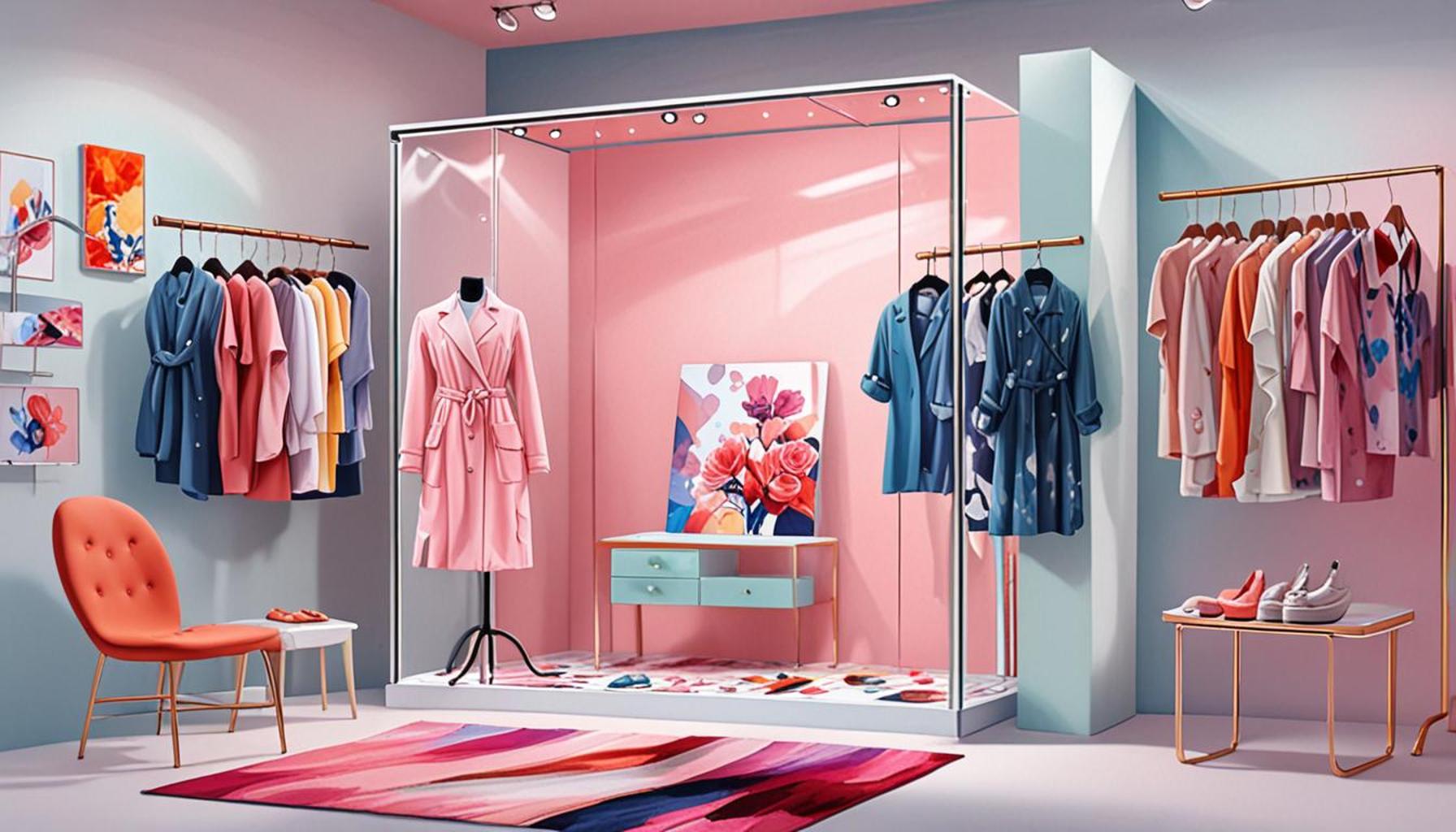
Transforming the Shopping Experience
The landscape of retail is experiencing a dramatic transformation, driven largely by advancements in technology that redefine consumer shopping experiences. One of the most significant innovations in this realm is the advent of virtual fitting rooms. These state-of-the-art tools are designed to minimize the discrepancies that often arise from online clothing purchases, allowing shoppers to find the perfect fit without needing to visit a physical store.
Shein: Pioneering Innovation in Fashion E-Commerce
At the forefront of this technological revolution is Shein, a fast-rising online fashion retailer that has captured the attention of consumers, particularly in the United States. With a keen focus on customer convenience, Shein is utilizing artificial intelligence (AI) to redefine how individuals interact with fashion purchases prior to finalizing their orders. The following features of Shein’s virtual fitting rooms highlight their commitment to enhancing the shopping experience:
- 3D Body Scanning: Customers can input their measurements directly into the platform, offering a highly personalized fitting experience that takes the guesswork out of size selection.
- Augmented Reality (AR): Through innovative virtual try-on technology, users can visualize how clothing fits in real-time, seeing themselves in the outfit from various angles with their smartphone cameras.
- Realistic Fabric Simulation: This feature enhances the shopping experience by providing accurate representations of the fabric textures and how they would look and behave in different lighting, making it easier for consumers to make informed choices.
The integration of these advanced tools is revolutionizing the online shopping experience, leading to lower return rates as customers are making more informed buying decisions. For example, studies have shown that almost 30% of apparel purchases made online result in returns, often due to sizing or fit issues. By enhancing consumer confidence in their selections, virtual fitting rooms can significantly reduce these returns, benefiting not just retailers but also consumers through a streamlined shopping process.
As the trend of virtual fitting rooms gains momentum, other major retailers are likely to adopt similar technologies, promising a future where shopping is not only more immersive but also more seamless. Consumers can look forward to a shopping experience that empowers them to explore styles and fits while alleviating the common stresses associated with online shopping. This shift toward a more personalized and intelligent e-commerce experience is destined to change the way shoppers engage with fashion forever. With such advancements, it’s clear that the future of retail holds exciting potential for those willing to embrace innovation.
DIVE DEEPER: Click here to discover how technology shapes fashion
Revolutionizing Fit and Comfort
The integration of technology into retail shopping processes has been fostering a new era of consumer engagement. Amid this evolving landscape, Shein stands out as a vanguard, utilizing its innovative virtual fitting rooms to tackle one of the most prevalent challenges in online shopping: the uncertainty of fit. Traditional online shopping often leaves customers grappling with the doubts about whether the clothing they select will align with their personal style and fit preferences.
According to industry data, about 70% of online shoppers use size guides, yet nearly 50% still experience difficulties finding their ideal fit. This gap is where Shein’s pioneering approach comes into play. By employing AI-driven algorithms, the retailer can predict garment sizes based on user-specific measurements, with the aim of delivering a shopping experience marked by enhanced accuracy and decreased frustration. The company’s commitment to leveraging technology is not only reshaping consumer interactions but also redefining how shoppers perceive the online purchase process.
Key Innovations Shaping the Experience
The remarkable features of Shein’s virtual fitting rooms play a pivotal role in transforming how consumers approach online shopping. Here are the standout innovations that contribute to this enhanced experience:
- Smart Size Recommendation: Utilizing machine learning, Shein analyzes an extensive database of customer purchase patterns and reviews to offer tailored size suggestions. This personalized touch helps bridge the gap between unlikely fits and customer satisfaction.
- Interactive Try-On Features: Through advanced AR technology, shoppers can visualize how various outfits will look on them. This interactive experience eliminates uncertainty, adding an immersive element that may make online shopping feel more like in-store browsing.
- Detailed Fit Guides: Shein provides comprehensive fit guides that evaluate not only size but also styles that match individual body types. This attention to detail empowers consumers to make choices informed by both data and personal aesthetics.
As Shein continues to refine these features, the retailer proactively addresses many of the common barriers faced by online shoppers. A survey conducted by the National Retail Federation revealed that 66% of consumers are hesitant to buy apparel online due primarily to sizing discrepancies. By offering intelligent solutions, Shein is establishing itself as a leader in not just fashionable offerings, but also in reshaping the online shopping paradigm.
Looking forward, the momentum for virtual fitting rooms is expected to carry on as industry trends continue to favor technology-driven solutions. With Shein’s model potentially serving as a blueprint for other retailers, the future of virtual fitting rooms holds promising opportunities for enhanced customization, consumer interaction, and ultimately, satisfaction—all while making online shopping a less anxiety-filled affair.
The Role of AI in Virtual Fitting Rooms
The integration of artificial intelligence in virtual fitting rooms is revolutionizing the online shopping experience. Brands like Shein are harnessing advanced algorithms to create a seamless virtual fitting environment that meets the demands of today’s tech-savvy consumers. Through meticulously designed software, Shien’s virtual fitting rooms allow users to virtually try on clothing items by accurately mapping their body measurements.
Personalization and User Experience
With personalized recommendations, consumers enjoy a shopping journey tailored specifically to their preferences. AI analyzes shopping behavior and past purchases, suggesting styles that not only look good but also suit individual tastes. This level of customization enhances customer satisfaction and significantly reduces the rate of returns—a persistent challenge in online retail.
Augmented Reality Technology
Augmented reality (AR) plays a crucial role in bridging the gap between physical and digital shopping. Shein’s use of AR technology enables customers to visualize how apparel fits and looks on them without setting foot in a store. This revolutionary approach not only encourages purchasing but also fosters confidence among consumers when exploring new styles, contributing to an enriching shopping experience.
Impact on Sustainability
As online shopping continues to grow, companies face mounting pressure to adopt sustainable practices. The move toward virtual fitting rooms contributes to reduced waste from returns and unsold inventory. By utilizing AI to predict sizes and fit more accurately, Shein demonstrates a commitment to responsible fashion consumption. Embracing this forward-thinking model empowers users to make informed decisions, leading to a more sustainable approach to fashion.
Future Prospects
As technology evolves, the implementation of AI in virtual fitting rooms will only become more sophisticated. Future developments may include hyper-personalized shopping experiences through machine learning and advanced visual simulations that enhance body scanning technologies. With each advance, brands like Shein will continue to set trends in the retail landscape, promising an exciting future for online shoppers.
| Category | Description |
|---|---|
| AI Integration | Facilitates accurate fitting and reduces return rates. |
| Augmented Reality | Enhances visualization of clothing, making shopping more interactive. |
DON’T MISS OUT: Click here for hassle-free returns and exchanges
Enhancing Customer Experience through Personalization
As the online shopping landscape becomes increasingly competitive, Shein’s focus on personalizing the customer experience through its virtual fitting rooms is a strategic advantage. Personalization is no longer just a trend, but a necessity in building brand loyalty and increasing sales. With the utilization of artificial intelligence (AI), Shein is not merely adapting to consumer behavioral patterns; it is actively anticipating them, thus creating a tailored shopping environment.
One of the key components of this personalized experience is the use of data analytics. Shein collects vast amounts of customer data, which includes not only demographic information but also customer interactions, preferences, and shopping habits. By analyzing this data, the retailer can offer extremely customized recommendations, ultimately leading to higher conversion rates. For instance, if a customer frequently shops for casual wear, Shein’s AI algorithms can prioritize showing similar items, enhancing the likelihood of purchase.
Building Confidence in Online Shopping
A significant obstacle for online shoppers has been the lack of tactile interaction with products prior to purchase. Shein addresses this challenge by enhancing customer confidence through virtual simulations. With its augmented reality (AR) features, customers can virtually try on garments, altering size, color, and style based on their personal taste. This innovative approach enables shoppers to visualize the final product without the physical presence of items in a store.
A recent report from PwC indicates that 75% of consumers are more likely to make a purchase if they can visualize how the product may look on them before buying. This statistic illustrates the efficacy of Shein’s virtual fitting rooms in breaking down the barriers that have traditionally hindered online apparel sales. As shoppers experience a sense of control over their purchasing decisions, the anxiety linked to fit and comfort diminishes.
Social Integration and Community Feedback
Another fascinating aspect of Shein’s virtual fitting rooms is their integration with social media platforms, which caters to a tech-savvy demographic. Social media has become a powerful tool in shaping shopping behaviors, particularly among Millennials and Gen Z consumers. By enabling users to share their virtual fitting room experiences or looks on platforms like Instagram and TikTok, Shein not only boosts user engagement but also cultivates a sense of community around its brand.
This focus on social feedback enhances the shopping experience by fostering real-time reviews and testimonials. Shoppers can see how others are styling products, which can inform their own choices and make them feel more connected to a like-minded community. In fact, community-driven content has a 79% higher engagement rate, further validating Shein’s strategy of integrating user-generated content into its retail offerings.
Ultimately, by leveraging AI, AR technology, and social media, Shein’s approach to virtual fitting rooms is not just about making online shopping more efficient; it’s about creating a holistic shopping experience that embraces personalization, builds consumer confidence, and drives community engagement. As Shein continues to innovate, the future of enhancing virtual fitting rooms will likely serve as a blueprint for the broader retail ecosystem, pushing boundaries on how consumers engage with fashion online.
LEARN MORE: Click here to discover how cloud solutions are reshaping supply chains
Conclusion: Shaping the Future of Online Retail
In conclusion, Shein’s innovative use of virtual fitting rooms powered by advanced artificial intelligence (AI) is reshaping the way consumers engage with online shopping. As the retail landscape continues to evolve, the integration of sophisticated data analytics and augmented reality (AR) tools is proving essential in creating a shopping experience that is not only personalized but also interactive and engaging.
Through the power of AR, Shein is transforming traditional online shopping challenges—like sizing and fit uncertainties—into opportunities for confidence and satisfaction. With studies indicating that a staggering 75% of consumers prefer visualizing products through virtual try-ons, Shein’s approach is not merely an enhancement; it is becoming an expectation among modern shoppers.
Moreover, the incorporation of social media elements fosters a vibrant community around the brand, encouraging real-time feedback and user-generated content. This dynamic engagement is especially critical in attracting younger audiences, who value social connections and authenticity in their shopping journeys. As this trend continues, Shein is not only bolstering its position in the fashion market but also setting a dramatic precedent for future digital retail experiences.
As we look ahead, it is clear that Shein’s innovative strategies within virtual fitting rooms will likely serve as a model for other retailers seeking to enhance consumer engagement and drive sales. By embracing the merging of technology, personalization, and community interaction, brands may navigate the future of online shopping, redefining how consumers connect with fashion in the digital age.