The Fashion Revolution: How Virtual Reality Is Transforming the Shopping Experience at Shein
The New Wave of Shopping: How Virtual Reality is Transforming Retail
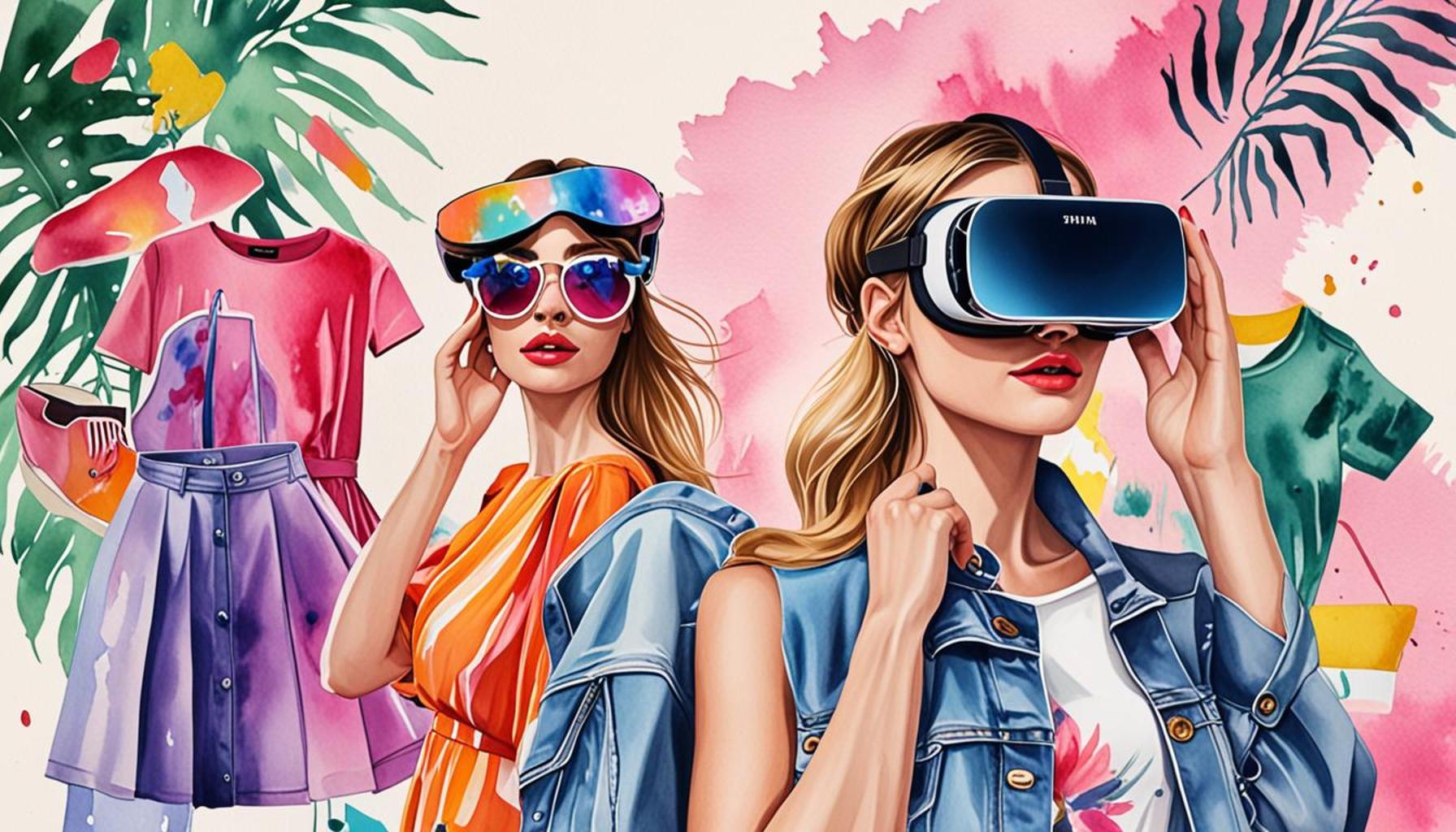
Imagine a scenario where you can wander through a digital storefront, plucking clothes from a virtual rack, and slipping them on with just a thought. This immersive experience is becoming a reality as virtual reality (VR) technology captures the attention of retail giants like Shein. As consumer preferences shift towards more engaging shopping experiences, brands are turning to VR not merely as a trend but as a means to enhance their connection with shoppers.
Immersive Shopping Experiences
One of the most exciting features of VR in retail is the creation of immersive shopping experiences. Imagine walking through a vast digital showroom where you can browse the latest fashion trends from the comfort of your own home. These virtual showrooms overcome geographical limitations, allowing customers in the United States or anywhere else to explore curated collections tailored to their tastes. With advancements in technology, these environments are becoming increasingly realistic, providing consumers with a tangible feel of the ambiance they might expect in a physical store.
Realistic Try-Ons
What if you could see exactly how an outfit would fit without ever entering a dressing room? With realistic try-ons enabled by VR, variables such as size, color, and style can be manipulated in real-time. Brands like Shein are implementing VR functionality that allows users to input their measurements to generate a digital avatar, ensuring that customers can confidently determine the right size and fit before making a purchase. This innovation not only saves time but also reduces the likelihood of returns – a significant issue in the fashion e-commerce sector.
Enhanced Engagement
The integration of interactive features into shopping experiences is vital for enhancing customer engagement. Virtual reality offers not just a pathway to products, but an entire ecosystem where the user can interact with clothing, receive personalized recommendations, and even attend virtual fashion shows. Imagine attending a live, immersive event showcasing a new clothing line while being able to shop the looks instantly. This engagement cultivates a deeper emotional connection between brands and their customers, leading to brand loyalty.
As brands like Shein continue to pave the way for the future of retail, it is clear that the possibilities of virtual reality are vast. This technology aims not only to enhance convenience but to revolutionize how we navigate the world of fashion. As such innovations develop, consumers can expect a shopping experience that is as captivating as it is practical, fundamentally altering how we approach buying clothes and accessories.
The evolving landscape of retail powered by VR technology is set to define the next era of fashion shopping. This shift promises to change not just how we shop, but also what it means to engage with brands in a digital world, making it crucial for consumers to explore these emerging tools and methodologies.
DISCOVER MORE: Click here to learn how Shein optimizes its supply chain
The Shift to Virtual Reality Shopping
The fashion revolution is in full swing, and at the center of this transformative wave is virtual reality (VR), particularly as it pertains to brands like Shein. The shift from traditional retail to immersive digital experiences is not just a fleeting trend; it marks a significant evolution in how consumers perceive and interact with fashion. As shopping habits change, so too does the urgency for brands to adapt, leading to a burgeoning focus on technology that enhances the shopping journey.
The Customer Journey Reimagined
In today’s fast-paced society, convenience often reigns supreme, and virtual reality seeks to streamline the customer journey like never before. No longer are shoppers confined to scrolling through a static webpage; instead, they are ushered into rich, interactive environments that mimic the vibrancy of brick-and-mortar stores. Shein capitalizes on this by offering customers the ability to:
- Navigate through digital aisles, where various styles and pieces are displayed in an inviting format.
- Utilize advanced filters to pinpoint exactly what they’re looking for – whether it’s a specific style, color, or trend.
- Engage with other shoppers, fostering a community atmosphere reminiscent of in-person shopping.
- Personalize their experience based on past purchases and preferences, creating a tailored shopping journey.
Such innovations compel consumers to explore more than just product offerings; they enable an engaging ecosystem of discovery. Shein’s VR platform allows consumers to delve into various aspects of their shopping experience, including exploring how a certain outfit looks under different lighting or how it complements other wardrobe pieces. This reimagining of the customer journey not only enhances satisfaction but also cultivates brand engagement.
Reducing the Gap with VR Technology
The advent of realistic virtual environments bridges the gap that many consumers feel between online shopping and the tactile experience of in-person retail. The expressiveness of VR allows for enhanced product visualization, meaning consumers can better assess fabric, patterns, and overall fit from wherever they are. Imagine viewing a dress in a 360-degree format or manipulating the size and color options in real-time; these capabilities redefine what it means to shop for clothes online.
Furthermore, as Shein incorporates technologies like augmented reality (AR) alongside VR, they set the stage for an even deeper level of interaction. Delving into visual overlays, shoppers will soon have the ability to see how garments interact with their personal style in a more dynamic and engaging manner.
As consumers in the United States and beyond become increasingly tech-savvy, the opportunity for brands to enhance the shopping experience through VR is immense. The ability to connect deeper with products has the potential to alter purchase decision-making, ultimately reshaping the retail landscape.
As the fashion industry continues to pivot towards these innovations, it is clear that the integration of VR technology is not just a novelty, but a critical component of engaging modern shoppers and creating a lasting impact on their buying habits.
The integration of virtual reality (VR) technology into the shopping experience at Shein has brought about a significant shift in consumer behavior. With the convenience and immersive capabilities that VR provides, shoppers are no longer limited to traditional browsing methods. Instead, they can explore products in a simulated environment, enhancing their purchasing decisions.
| Category 1 | Category 2 |
|---|---|
| Enhanced Visualization | Customers can see 3D models of clothing that look lifelike before making a purchase. |
| Interactive Experience | Shoppers engage actively with products, making the experience more exciting and personalized. |
With VR technology, Shein not only enhances customer engagement but also fosters increased confidence in purchasing. As shoppers can virtually try on clothes and visualize outfits in different settings, the likelihood of return rates decreases, benefiting both consumers and the business.
Additionally, incorporating immersive elements helps to replicate a physical store’s ambiance, giving an enriched sensory experience that encourages consumers to explore and discover new styles. This shift towards a more technological approach in retail marks a fundamental change in how fashion is experienced and consumed, providing businesses with data insights into customer preferences.
As VR continues to evolve, the potential for creating even more realistic and interactive shopping experiences is vast, positioning Shein at the forefront of this fashion revolution. Exploring the latest trends in digital shopping not only enhances customer satisfaction but also drives brand loyalty in today’s competitive market.
DIVE DEEPER: Click here to discover more
Enhancing Sustainability and Ethical Shopping
As the fashion revolution unfolds, the role of sustainability in consumer choices has gained unparalleled significance. Virtual reality proves to be a game-changer in addressing the pressing demand for ethical shopping practices. Shein has recognized the benefits of harnessing VR technology not only to improve the shopping experience but also to promote transparency in its supply chain.
Visualizing Sustainable Practices
Through immersive VR experiences, Shein can showcase its commitment to sustainability and ethical production. Shoppers can virtually dive deep into the brand’s manufacturing processes, understanding the various materials used and the environmental impact of their choices. Imagine browsing a collection of organic cotton clothing while interacting with a VR interface that details the journey of the fabric from farm to fashion. This transparency can empower consumers to make informed choices about their purchases.
Additionally, by utilizing data analytics within VR environments, Shein can monitor customer preferences regarding sustainability. For example, if a significant portion of shoppers engages with eco-friendly materials in VR, the brand can respond by increasing the availability of sustainable products in its offerings. This feedback loop creates a symbiotic relationship between consumer preferences and brand practices, ultimately promoting responsible consumption.
The Role of Virtual Try-Ons
One of the most exciting aspects of VR in fashion is the concept of virtual try-ons, which Shein has successfully implemented. This technology allows customers to visualize how clothes will fit and look on their bodies without physically trying them on. Not only does this enhance the shopping experience, but it also addresses a significant issue in the fashion industry: the rate of returned products due to poor fit.
Research has shown that about 30% of online clothing purchases are returned, which not only burdens logistics but also leads to increased waste. By investing in advanced VR try-on technology, Shein aims to reduce return rates significantly. Customers can see how a dress might drape on their body type or how a pair of jeans fits around their hips, generating a more accurate purchasing decision.
- Enhanced confidence: Virtual try-ons reduce hesitation and empower shoppers to feel more confident in their purchases.
- Reduced environmental impact: Decreasing return rates leads to less waste, aligning with the growing demand for environmental responsibility.
- Delivery speed: When consumers order with confidence, brands can streamline logistics, improving their overall delivery times.
The Future of Omnichannel Experiences
The integration of VR into Shein’s platform signifies a broader trend towards the omnichannel experience, where physical and digital worlds converge to enhance shopping. As customers embrace this lifestyle, they desire a seamless flow between in-store experiences and online convenience.
Shein is exploring options that align with this vision, such as employing AR to bring VR features into physical stores. Imagine walking into a Shein store and accessing a digital interface that allows you to try on outfits in VR while comparing them side by side with real pieces on display. This fluidity allows brands to maximize their potential, catering to varied shopping habits while maintaining strong consumer engagement.
With consumer demands shifting more towards convenience and immersive experiences, the operational future of Shein will heavily rely on adapting to these emerging trends. The ongoing integration of virtual reality technology positions the brand not only as a leader in fashion but also as an innovator in customer experience, marking a pivotal moment in retail evolution.
DISCOVER MORE: Click here for money-saving tips
Conclusion: The Future of Fashion with Virtual Reality
As we stand on the brink of a fashion revolution, the integration of virtual reality into the shopping experience at Shein exemplifies the transformative power of technology in retail. With its immersive platform, Shein not only enhances customer engagement but also champions sustainability and ethical consumerism. The ability to visualize products in a virtual space allows shoppers to make informed choices while simultaneously reducing the high return rates that have plagued the fashion industry.
Furthermore, the seamless blend of online and offline shopping experiences signifies a crucial step towards an omnichannel future. By embracing emerging technologies like augmented reality in physical stores, Shein is redefining how consumers interact with fashion, fostering an engaging and personalized shopping journey. This innovative approach to retail not only improves logistics and delivery efficiency but also responds to the ever-evolving expectations of today’s consumers.
As the era of digital transformation continues, Shein’s commitment to integrating virtual reality into its business model sets a benchmark for fashion brands worldwide. This shift highlights the importance of transparency and responsibility in the relationship between consumers and brands. With VR, Shein is not merely selling clothes; it is cultivating a culture of conscientious shopping, allowing shoppers to explore their values alongside their fashion choices. Ultimately, the synergy between technology and sustainable practices heralds a new era in the retail landscape, encouraging consumers to be more mindful, informed, and stylish in their selections.

Linda Carter
Linda Carter is a writer and expert known for producing clear, engaging, and easy-to-understand content. With solid experience guiding people in achieving their goals, she shares valuable insights and practical guidance. Her mission is to support readers in making informed choices and achieving significant progress.