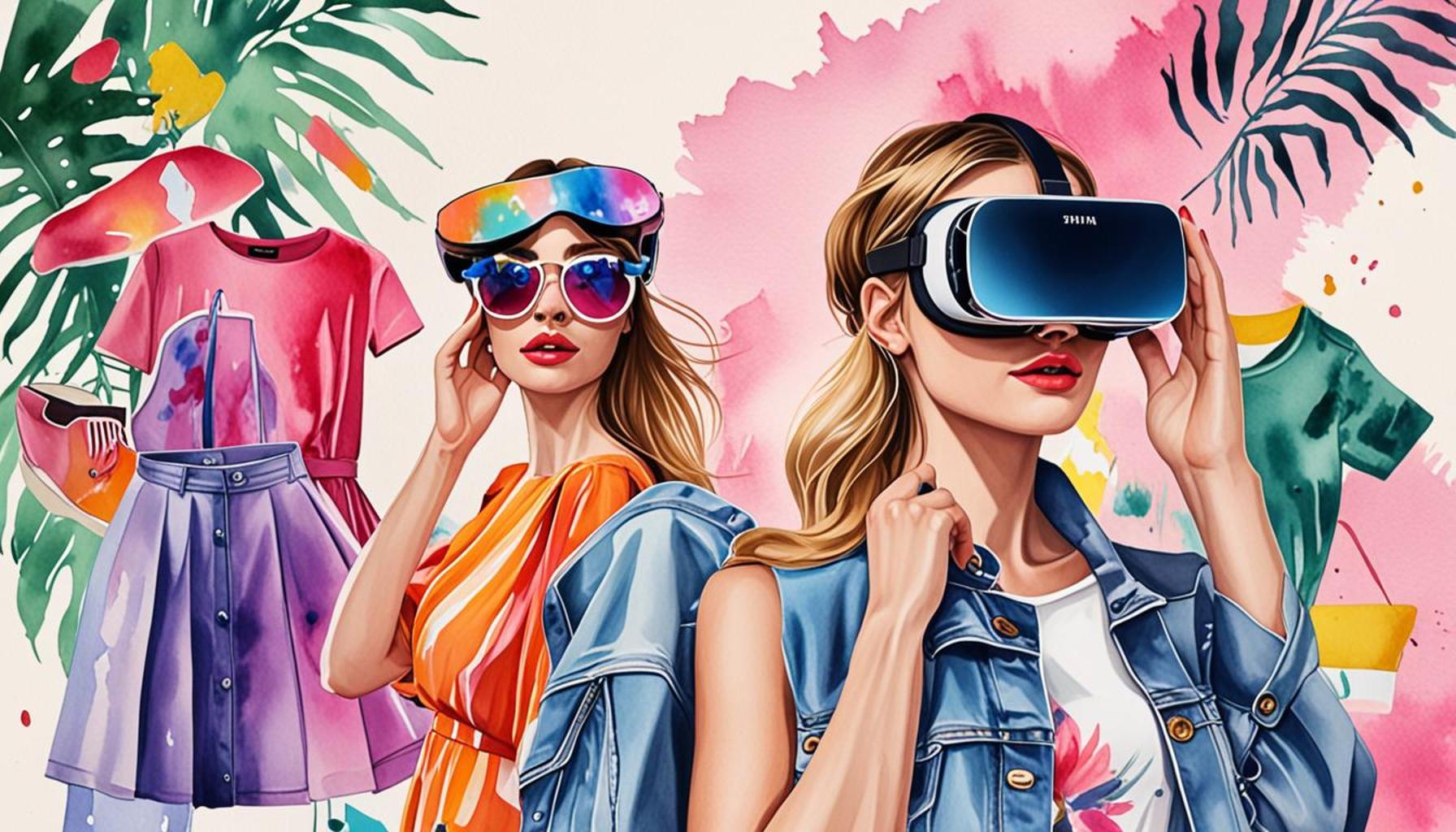
Immersive Experiences: The Role of Virtual Reality in Advertising and Marketing of Shein
Revolutionizing Retail Through Virtual Reality
The rise of virtual reality (VR) represents a pivotal change in consumer engagement, reshaping how brands interact with their target audiences. As online shopping surges in popularity, retailers like Shein are harnessing the power of immersive technology to create unique and captivating marketing strategies. By integrating VR, these brands are not just selling products; they are crafting memorable experiences that resonate with the consumer’s lifestyle and preferences.
The compelling nature of VR allows brands to stand out in a crowded market. Here are some notable advantages that virtual reality in advertising offers:
- Enhanced Customer Engagement: Through VR, customers can immerse themselves in a lifelike simulation of products. For example, a user can see how a dress appears on them without physically trying it on, or visualize how a piece of furniture fits within their home.
- Interactive Shopping Experience: Users are not merely observers but active participants. They can explore collections, customize items, and even receive guided tours of a virtual store, enhancing their shopping experience and driving more informed purchasing decisions.
- Increased Brand Loyalty: By offering immersive experiences, brands create deeper emotional connections with consumers. A striking VR fashion show or a virtual fitting room can linger in the consumer’s memory, fostering loyalty that transcends a single purchase.
Shein, a pioneer in the fast-fashion realm, exemplifies the potential of VR in modern marketing. By integrating VR into their advertising campaigns, Shein provides customers with the opportunity to interact with their latest collections in innovative ways. Shoppers can engage in virtual try-ons and experience product features that might be overlooked in typical online listings. This reflects a shift away from passive consumption to active participation, where customers feel more in control of their shopping experience.
Furthermore, the integration of VR is setting a new standard within the retail landscape. As brands like Shein continue to explore the capabilities of immersive technology, it becomes evident that a new era of advertising is upon us. The fusion of technology and creativity not only captivates consumers but also paves the way for the future of commerce.
As we continue to witness the evolution of VR in retail, it is essential to consider how these techniques are not just transforming the shopping process but also redefining consumer expectations. The immersive experiences created through VR technology could potentially reshape the very fabric of how products are marketed, prompting both consumers and businesses to rethink traditional shopping paradigms.
DIVE DEEPER: Click here to learn more
Transforming Customer Interactions through VR
The marketing landscape is undergoing a remarkable transformation, driven by the innovative use of virtual reality (VR). For brands like Shein, immersive experiences not only create unique selling propositions but also fortify connections with consumers who crave personalization and engagement in their shopping experiences. As people increasingly turn to online retail, Shein leverages the capabilities of VR to provide customers with an interactive journey that transcends traditional online shopping.
One key aspect that makes VR particularly advantageous for a fashion giant like Shein is its ability to provide a multisensory experience. Instead of merely browsing through static images or videos, customers can explore garments in a dynamic environment. They can rotate items, zoom in on fabric textures, and see how different colors look in real time. This vivid representation of products heightens appeal and reduces uncertainties often associated with online purchasing.
Below are some pivotal elements highlighting how Shein is utilizing VR technology to enhance its marketing strategies:
- Virtual Try-Ons: Traditional fitting rooms can be a hassle, but Shein eliminates this inconvenience with VR try-ons. Customers can literally see themselves in the clothing, helping them gauge style and fit without leaving their homes.
- 3D Product Visualization: VR enables detailed views of fabric drape, fit, and movement. This level of examination helps customers feel more confident in their choices, mitigating the risk of returns.
- Gamification of Shopping: Shein crafts interactive shopping experiences through gamified elements. For example, users can take part in virtual fashion shows, where they can style outfits and earn rewards or loyalty points, making shopping more engaging and fun.
Moreover, Shein’s integration of VR creates an opportunity for personalized marketing. By analyzing user interactions, the brand can tailor recommendations to fit individual preferences and styles. As a customer engages with the VR environment, algorithms can gather insights on their choices, effectively creating a unique shopping profile that influences future marketing efforts.
This approach emphasizes user experience and positions Shein ahead of competitors who may still rely on traditional advertising methods. By embracing immersive technology, Shein not only enhances its brand appeal but also sets a growing trend within the retail sector, calling for brands worldwide to rethink their marketing strategies. Such technological advancements are more than just an enhancement; they signify a cultural shift towards a highly interactive and customized shopping experience.
As Shein continues to push the boundaries of what immersive experiences can offer, it is crucial for marketers and consumers alike to keep an eye on how these VR innovations are reshaping expectations and influencing buying behaviors in the retail landscape.
Immersive Experiences: Transforming the Marketing Landscape for Shein
In the competitive world of fashion retail, Shein has harnessed the power of virtual reality (VR) to create immersive experiences that resonate with customers on a deeper emotional level. By utilizing VR technology, Shein allows consumers to explore its vast collection in a virtual shopping environment, breaking geographical boundaries and enhancing user engagement. This cutting-edge approach not only captivates potential buyers but also serves as a catalyst for brand loyalty, as shoppers feel more connected to products they experience in a realistic virtual setting.Another remarkable aspect of Shein’s VR strategy is its ability to personalize the shopping journey. VR technology can analyze customer behavior and preferences, tailoring recommendations to individual users. Imagine virtually trying on outfits and instantly seeing how they fit and look—this capability translates into a compelling and convenient shopping experience that fosters informed purchasing decisions and ultimately boosts sales.Moreover, the use of VR in advertising can amplify brand message retention. When consumers interact with a brand through an immersive experience, they are more likely to remember the company and its offerings. This results in a greater return on investment for Shein’s marketing campaigns, as memorable interactions can lead to increased word-of-mouth recommendations and social media buzz, effectively expanding Shein’s reach.The interactive nature of VR also encourages customers to share their experiences on social media platforms, presenting businesses like Shein with a unique opportunity to leverage user-generated content. This, in turn, enhances brand visibility and credibility, as potential buyers often trust peer recommendations over traditional advertising.As more companies embrace virtual reality in their marketing strategies, Shein stands at the forefront, innovating and setting trends that not only redefine customer engagement but also boost conversion rates. The transformative impact of immersive experiences signifies a new era in advertising that is interactive, personalized, and unforgettable.
| Advantage | Description |
|---|---|
| Enhanced Customer Engagement | VR offers interactive experiences, immersing users in Shein’s designs. |
| Personalized Shopping Experience | Tailored recommendations based on user behavior lead to informed purchasing. |
| Increased Brand Retention | Memorable immersive experiences ensure customers recall the brand better. |
DISCOVER MORE: Click here for the ultimate guide on fashion trends
Enhancing Brand Loyalty through Immersive Storytelling
Virtual reality has evolved beyond mere visual appeal; it has become a potent tool for storytelling, enabling brands like Shein to dioramas their narratives in captivating and immersive ways. By combining cutting-edge technology with creative content, Shein engages consumers on a deeper emotional level, fostering brand loyalty that is hard to replicate through traditional marketing strategies.
One of the most engaging aspects of Shein’s VR marketing is its ability to weave a rich tapestry of textures, colors, and stories around each clothing line. For instance, the brand may create a VR experience that transports users to the vibrant streets of Paris or the serene landscapes of Bali as they preview summer collections. This not only diversifies the consumer’s shopping experience but also bridges the gap between admiration for a style and a desire to own it. By associating fashion with alluring narratives, Shein elevates its products beyond mere transactions to aspirational items.
Moreover, Shein embraces the concept of community-driven experiences within its virtual platforms. Users can connect with others who share similar styles, creating an online community for fashion enthusiasts. This social dimension transforms shopping from a solitary event into a shared, social affair. Customers can attend virtual events featuring influencers or fashion designers, watch live styling sessions, and share their looks with others. This not only builds a sense of belonging but also enhances the perceived value of the Shein brand as a community-centered fashion hub.
Another critical area where Shein leverages VR technology is in promoting sustainability and ethical practices. Given that consumers are increasingly conscious of the environmental impact of their purchases, Shein uses immersive experiences to educate users on the sustainability efforts behind their collections. Through engaging VR narratives, potential buyers can explore the journey of a garment, from its inception to its production process, showcasing eco-friendly materials and ethical labor practices. This transparency not only builds trust but also aligns Shein with the values of a more conscientious consumer base.
The effectiveness of these VR initiatives is further supported by data indicating that brands that utilize immersive technology see increased engagement rates. According to industry studies, customers are more likely to remember brands that provide memorable experiences, with 87% of consumers claiming that immersive experiences positively influence their purchase decisions. This compelling statistic illustrates the importance of Shein’s approach in nurturing brand loyalty while generating immediate sales.
As Shein continues to explore the vast potential of VR in advertising and marketing, tracking consumer feedback and participation will play a crucial role in shaping future initiatives. By adapting to the evolving preferences of shoppers and discovering innovative intersections of technology and creativity, Shein is not just keeping pace with changes in consumer behavior but actively defining how retail experiences will unfold in the years to come.
Through these dynamic and layered approaches to marketing, Shein is not only setting itself apart but also inviting other brands to reconsider how they engage customers in an increasingly digital world. The intersection of storytelling, community building, and innovation stands as a beacon for the future of fashion retail.
DIVE DEEPER: Click here to uncover the insights
Conclusion: The Future of Fashion Retail through Immersive Experiences
In an era where consumer expectations continually evolve, Shein stands as a trailblazer in integrating virtual reality into its advertising and marketing strategies, demonstrating the profound impact of immersive experiences on brand engagement and loyalty. By harnessing the storytelling capabilities of VR, Shein not only showcases its vibrant clothing lines but also cultivates an emotional connection with consumers that transcends the traditional retail landscape.
The brand’s commitment to community engagement and sustainability underscores its strategic approach, as users are invited to explore shared interests while gaining insight into ethical practices associated with their purchases. This complex narrative not only captivates but also empowers customers, reinforcing a sense of belonging within the Shein community.
As industry data suggests, the effectiveness of these immersive experiences is evident, with a striking 87% of consumers acknowledging that such interactions significantly influence their buying decisions. This statistic emphasizes the essential role that innovation plays in driving brand loyalty and sales conversion in a competitive market. Looking ahead, Shein’s adaptability in the face of changing consumer behaviors will likely set a precedent for the fashion industry, as brands seek to redefine retail experiences.
Ultimately, Shein’s pioneering initiatives signal an exciting shift towards a more immersive and experiential shopping environment. As other brands begin to explore the potential of virtual reality, the landscape of fashion marketing may forever change, ushering in a new paradigm where storytelling, community, and technology converge to create compelling consumer experiences. The future is poised to be as dynamic and imaginative as the fashion industry itself.

Linda Carter
Linda Carter is a writer and expert known for producing clear, engaging, and easy-to-understand content. With solid experience guiding people in achieving their goals, she shares valuable insights and practical guidance. Her mission is to support readers in making informed choices and achieving significant progress.