Future Trends of Virtual Reality in Business Models and Innovation

Understanding the Impact of Virtual Reality on Business
Virtual Reality (VR) has transitioned from the realm of science fiction to a powerful tool that influences how companies engage with their customers and enhance their operational efficiency. By providing realistic and immersive environments, VR technology offers innovative solutions across a myriad of industries. As organizations integrate VR into their business models, it is essential to explore the transformative effects it brings.
Training and Education: One of the most profound applications of VR is in training and education. Traditional training methods, such as on-the-job training or classroom seminars, often incur significant costs and may involve hazards, especially in fields like medicine or emergency services. With VR, companies can create immersive simulations where employees can practice critical skills without the risks associated with real-life scenarios. For example, medical students can perform virtual surgeries, allowing them to gain hands-on experience before operating on actual patients. Companies like Walmart have implemented VR training for their employees, enhancing customer service skills and improving operational efficiency.
Marketing and Advertising: In an increasingly competitive market, standing out is crucial. Brands are now leveraging VR to offer unique, interactive experiences that engage customers in memorable ways. For instance, an automotive company can provide a virtual test drive, allowing potential buyers to experience the car’s features without leaving their homes. This approach not only captivates the audience but also helps generate interest and ultimately drive sales.
Product Development: Another exciting application of VR is in the realm of product development. Businesses are utilizing VR to create virtual prototypes of their products, allowing for rapid testing and feedback before actual production. This modeling process can significantly cut down on development time and costs. For example, architects can present virtual 3D models of buildings to clients, enabling immediate adjustments based on client feedback without the need for costly physical models.
As VR technology continues to evolve, its potential applications will only expand. Industries like retail, healthcare, and real estate stand to gain immensely from this innovation. For instance, healthcare professionals can use VR for therapy, offering patients exposure therapy for phobias in a controlled virtual environment. In retail, virtual shopping experiences can allow customers to try on clothes or visualize furniture in their homes, enhancing the buying experience from the comfort of their homes.
Enhanced Customer Engagement: The ability to deliver immersive experiences not only attracts new customers but also fosters loyalty among existing ones. Engaging customers through VR can help brands form deeper emotional connections, ultimately leading to increased customer retention.
Improved Collaboration: Virtual workspaces are another significant advantage of VR. Teams can collaborate in real-time from different geographical locations, sharing ideas and working together as if they were in the same room. This level of accessibility is particularly beneficial in today’s globalized workforce, where remote work is more prevalent than ever.
Increased Accessibility: VR also offers solutions for individuals with disabilities, allowing them to access experiences and services that might otherwise be challenging or impossible. For example, virtual reality can provide educational experiences for students with mobility issues, offering them the opportunity to explore environments they may not physically visit.
In conclusion, as businesses continue to integrate VR into their operations and customer interactions, staying informed and adapting to these trends will be vital. Embracing the future of VR in business not only ensures competitiveness in the market but also positions companies as leaders in innovation. The journey ahead is full of potential, and companies that harness this technology will likely reshape their industries in exciting ways.
The Expanding Role of Virtual Reality in Business Strategies
The integration of Virtual Reality (VR) into business models is not just a trend; it is becoming a key driver of innovation across multiple sectors. Companies recognize the profound value that VR adds, leading to evolving strategies that leverage this technology to enhance operational processes and customer experiences. As firms adapt to changing market dynamics, the future trends of VR present a series of opportunities and challenges that businesses must navigate thoughtfully.
Streamlining Operations: VR technology offers businesses a chance to improve operational efficiency through enhanced visualization and simulation. By allowing teams to visualize complex processes and test strategies in a risk-free environment, organizations can identify bottlenecks and optimize workflows. For example, manufacturing companies can employ VR to simulate production lines, enabling them to experiment with layouts that maximize productivity. This predictive modeling helps in making informed decisions that can reduce costs and improve overall efficiency.
Enhanced Data Visualization: In today’s data-driven landscape, effective data visualization is paramount. VR can transform complex data sets into engaging 3D visual representations, making it easier for teams to analyze patterns and draw insights quickly. For instance, financial analysts can use VR to interpret market trends by immersing themselves in visual data landscapes, allowing for a more intuitive understanding of intricate financial metrics. This capability enhances decision-making, as teams can react promptly to evolving market conditions.
Potential Industry Applications of Virtual Reality
Understanding the potential applications of VR technology across various industries is vital for identifying how businesses can innovate and capture new markets. Here are a few areas where VR is already making significant inroads:
- Healthcare: Beyond training, VR is being used to simulate patient interactions, streamline administrative processes, and create immersive therapeutic environments, aiding in mental health treatment.
- Real Estate: Virtual property tours allow prospective buyers to explore homes remotely, saving time and resources while enhancing the buying experience through interactive engagement.
- Education: Institutions are utilizing VR for immersive learning experiences, transporting students to historical events or complex scientific environments, making education more engaging and effective.
- Tourism: Virtual travel experiences allow potential tourists to preview destinations and attractions, altering the way travel companies market their services.
Fostering Innovation: VR is also a catalyst for fostering creativity and innovation within organizations. The ability to prototype experiments in a virtual format enables teams to brainstorm and iterate ideas freely without the constraints of physical materials. Businesses are encouraging intra-departmental collaboration through VR environments, breaking down silos that often stifle creativity. Startups, especially, are finding creative ways to offer their products and services or even collaborate with customers to refine their offerings.
The ramifications of VR technology are far-reaching and, as it becomes more accessible, more industries will likely adopt it into their core business strategies. To maintain relevance in a rapidly evolving marketplace, firms must harness the potential of VR to transition from traditional models to innovative avenues. By embracing these trends, businesses can enhance their strategic initiatives and position themselves as leaders in their respective fields.
Transforming Customer Engagement through Virtual Reality
The potential of Virtual Reality (VR) technology extends beyond internal operations and innovative processes; it fundamentally transforms how businesses engage with their customers. As customer preferences evolve, VR provides a powerful tool for creating memorable experiences that captivate and retain consumers. This shift toward experience-driven marketing is central to the future of business models that leverage VR technology.
Immersive Marketing Experiences: Companies are beginning to recognize that traditional marketing strategies may not resonate with today’s tech-savvy consumers. VR allows businesses to craft immersive marketing environments that place customers at the heart of the brand experience. For example, automotive manufacturers like Ford have developed VR showrooms where potential buyers can interact with vehicles, customize features, and even take virtual test drives, all from the comfort of their homes. This type of engagement not only increases customer interest but also helps buyers make informed decisions faster.
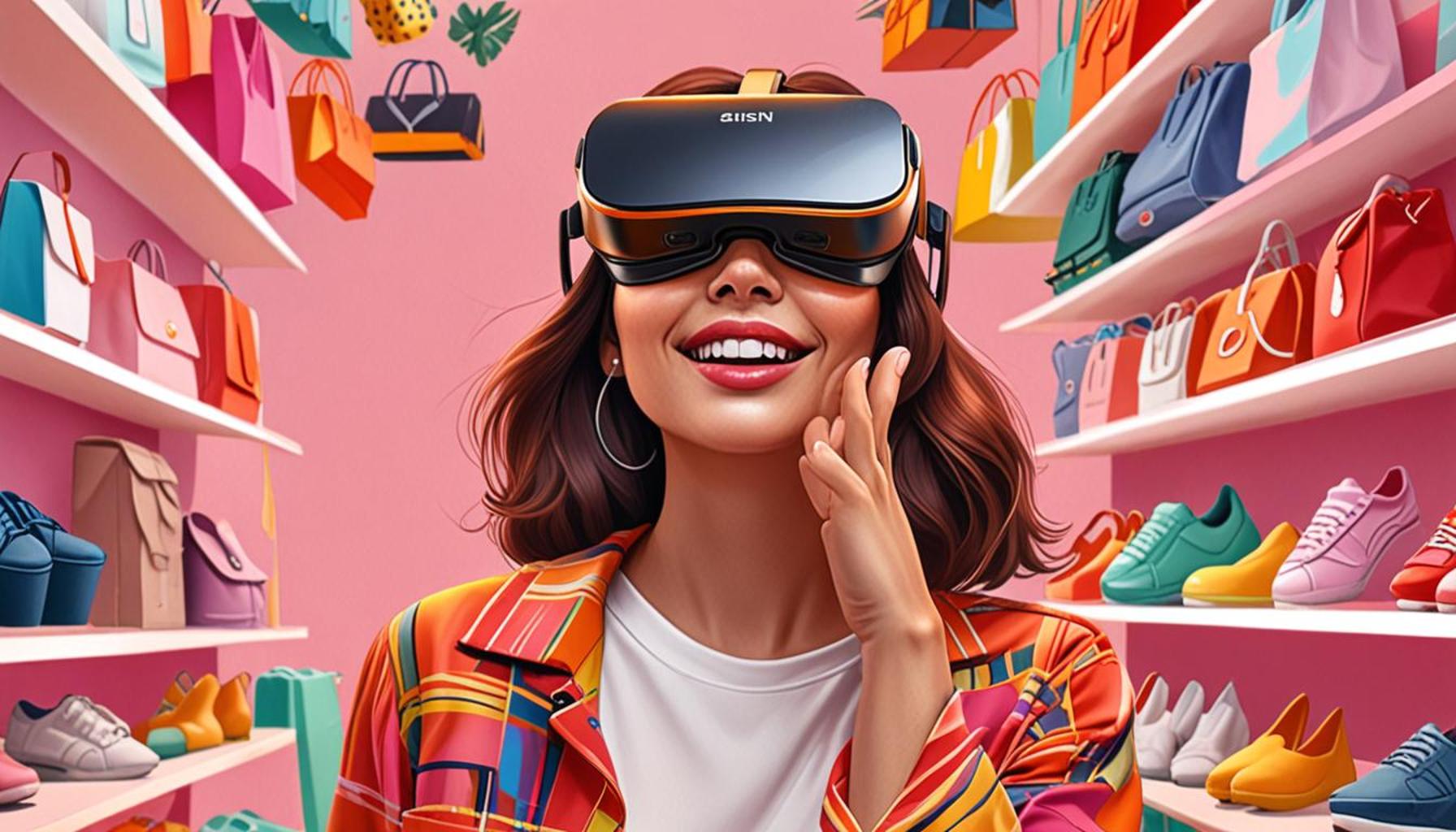
Virtual Shopping Experiences: E-commerce is on the rise, and VR is set to revolutionize the way consumers shop online. Retailers are exploring virtual storefronts that allow customers to browse and interact with products in a three-dimensional space. This approach provides a tactile feel absent in traditional e-commerce, as customers can visualize how products would look or fit in their environment. For instance, companies like IKEA have developed VR apps where users can visualize furniture in their homes before making a purchase, eliminating misunderstandings and enhancing satisfaction.
Enhancing Customer Support with VR
Another promising application of VR lies in improving customer support and service processes. Businesses can utilize VR training modules to equip service representatives with the necessary skills to handle complex customer inquiries. Through immersive scenarios, employees can practice responses to various customer interactions in a simulated environment, leading to increased efficiency and satisfaction.
Personalizing Customer Journeys: As businesses strive to strengthen customer relationships, VR offers unparalleled opportunities for personalization. By gathering and analyzing customer data, companies can create tailored VR experiences that cater to individual preferences and interests. For instance, travel agencies can provide customized virtual trips based on a customer’s past vacation history and preferences, making the experience not just relevant but highly engaging as well.
Building Brand Loyalty: Engaging customers through virtual experiences creates emotional connections that can lead to lasting brand loyalty. Brands like Nike and Adidas have utilized VR in flagship stores to offer exclusive experiences, like virtual fittings or personal athlete endorsements, fostering deeper emotional ties. Such innovative engagement helps consumers feel more connected to the brand, building trust and loyalty that translates into repeat business.
As the competitive landscape continues to evolve, companies that effectively implement VR technology to enhance customer interactions will stand out from their competitors. The growing emphasis on personalized experiences and customer-centric approaches indicates a shift that is not just a trend but a strategic imperative. By investing in VR applications that foster meaningful connections and engagements, businesses are not only adapting to the new landscape but are also positioning themselves for future success in a rapidly changing marketplace.
Conclusion
In summary, the future of Virtual Reality (VR) in business models and innovation represents a promising frontier for companies seeking competitive advantages in an increasingly experience-driven marketplace. As technology continues to evolve, VR offers a robust platform for enhancing customer engagement, providing immersive and interactive experiences that resonate with modern consumers. From virtual showrooms that facilitate informed decisions to virtual shopping experiences that bridge the gap between online and in-store shopping, businesses are finding innovative ways to integrate VR into their customer interactions.
The strategic implementation of VR not only enhances customer support and training but also allows for the personalization of experiences, creating tailored interactions that delight consumers. By analyzing customer data, companies can design unique virtual journeys that cater to individual preferences, fostering a deeper emotional connection.
Moreover, brands that leverage VR technology for marketing strategies will find that enhanced customer experiences contribute to brand loyalty. In this rapidly changing landscape, the ability to innovate and make meaningful connections is not simply a trend; it is a critical element for long-term success.
As we look ahead, it is clear that embracing VR in business is essential for staying relevant. Organizations that prioritize immersive technology and adapt their business models accordingly will not only meet the demands of today’s customers but also shape the future of commerce. By investing in these innovative tools, companies can position themselves at the forefront of their industries, ready to capitalize on the exciting opportunities that VR technology presents.

Linda Carter
Linda Carter is a writer and expert known for producing clear, engaging, and easy-to-understand content. With solid experience guiding people in achieving their goals, she shares valuable insights and practical guidance. Her mission is to support readers in making informed choices and achieving significant progress.