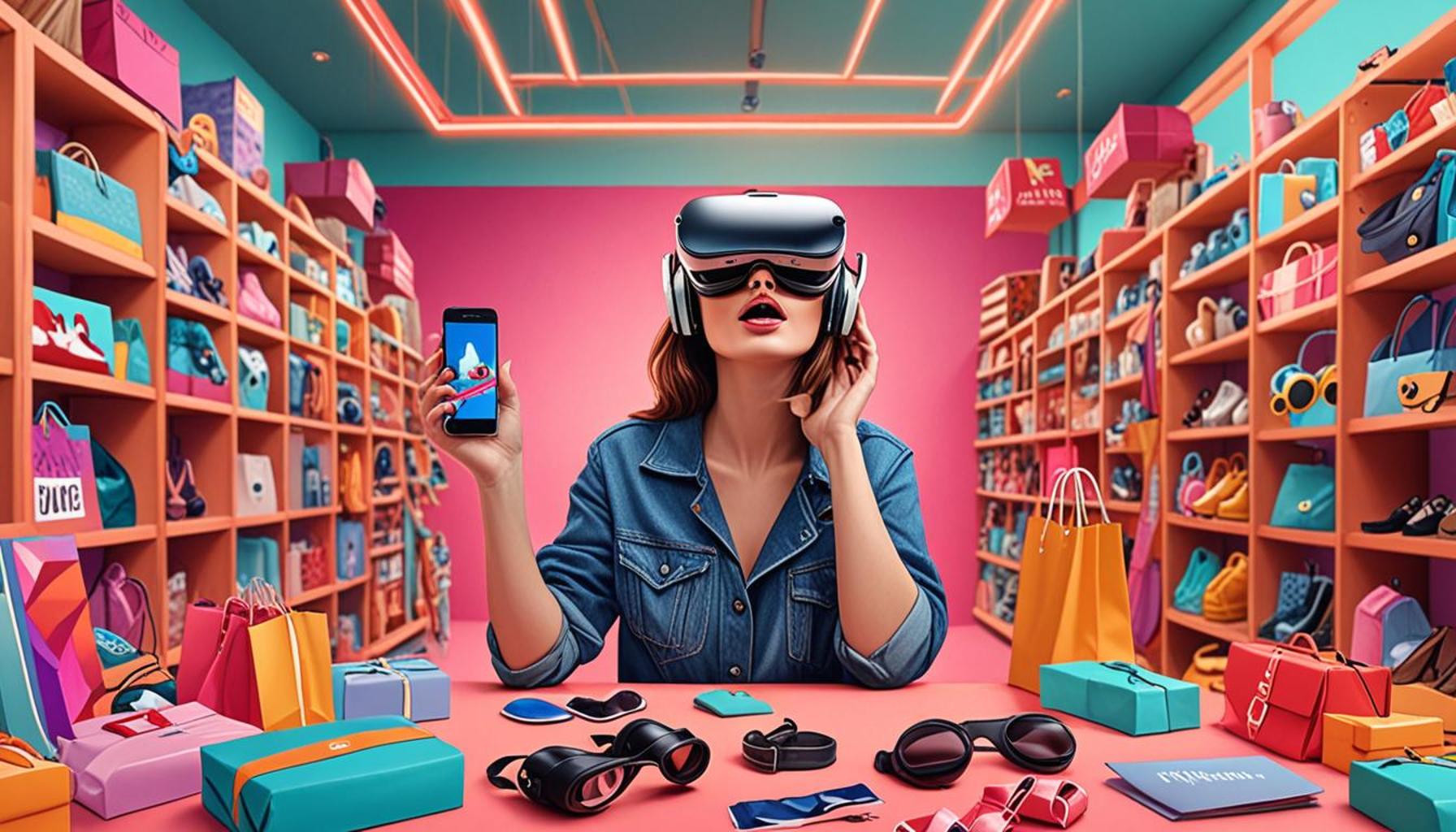
Fashion Trends and Virtual Reality: How Shein is Using Technology to Predict Future Styles

The Technological Revolution in Fashion
The fashion industry is undergoing a rapid transformation, driven largely by technological advancements that are reshaping how brands engage with consumers. Among these innovations, virtual reality has emerged as a groundbreaking tool that holds the potential to predict and influence future styles in ways never seen before.
Leading this innovative charge is Shein, a fast-fashion giant recognized for its nimble and data-driven approach to identifying trends. By harnessing cutting-edge technologies, Shein enhances the customer experience and creates a more personal connection with its shoppers. This is achieved through several key strategies:
- Consumer Behavior: Shein conducts extensive analysis of purchasing patterns and preferences, using data analytics to fine-tune offerings. By segmenting consumers based on their shopping habits, the brand can customize marketing messages that resonate on an individual level.
- Social Media Trends: The brand closely monitors popular fashion topics across platforms like Instagram, TikTok, and Pinterest. By tapping into influencers and trending hashtags, Shein can rapidly adapt its inventory to include styles that are gaining traction, effectively staying ahead of the curve.
- Virtual Fitting Rooms: Implementing advanced augmented reality (AR) technologies, Shein allows users to “try on” clothes digitally. This not only enhances the online shopping experience by reducing uncertainty but also decreases return rates—an ongoing challenge in e-commerce.
This strategic focus allows Shein not only to streamline production but also to create a more personalized shopping experience that resonates with consumers. As a result, the company can forecast trends with remarkable accuracy, which leads to timely and relevant product launches that attract consumers eager for the latest styles.
Moreover, as the fashion landscape shifts, other companies are taking notes. Brands are beginning to recognize that implementing technology such as 3D modeling, artificial intelligence, and machine learning algorithms is imperative to remain competitive. For instance, smaller boutique brands that leverage technology can create unique, limited-time collections that cater to niche markets, showcasing the democratizing effect of these innovations.
In this article, we will delve deeper into how Shein leverages virtual reality alongside other technological innovations and their substantial impacts on consumer engagement, inventory management, and the overall shaping of contemporary fashion. Stay tuned as we embark on this journey to explore how these advancements are ushering in a new era of fashion that marries creativity with technology.
DISCOVER MORE: Click here for insights on cloud solutions
Shein’s Strategic Integration of Virtual Reality
In the fast-paced world of fashion, where trends can change overnight, Shein is setting itself apart by strategically integrating virtual reality into its operations. By utilizing this innovative technology, the company not only enhances the shopping experience but also gains invaluable insights into consumer preferences. The relationship between technology and fashion is evolving rapidly, and Shein is at the forefront of this transformation.
One of the remarkable aspects of Shein’s approach is its ability to gather data through immersive technologies. For instance, the application of virtual fitting rooms serves as a game changer for online shoppers. This technology allows consumers to virtually try on garments, giving them a realistic feel for how the clothes would fit and look. As a result, users can make informed purchasing decisions, while Shein benefits from a reduction in return rates, an issue that has long plagued the e-commerce sector.
But the integration of virtual reality at Shein extends far beyond customer engagement. The brand harnesses analytics derived from these interactions to improve product offerings. This adaptive model allows Shein to respond quickly to trending styles, ensuring their collections remain fresh and appealing. The following key elements highlight how Shein employs technology to predict future styles:
- Real-Time Feedback: By analyzing user data from their virtual fitting rooms, Shein can identify which designs and fits are being favored. This feedback loop enables the brand to make rapid design decisions based on real consumer behaviors.
- Collaborative Design Efforts: Shein collaborates with designers and influencers in virtual environments, allowing them to visualize and alter designs in real-time. This cooperative approach encourages creativity while staying aligned with consumer desires.
- Enhanced Supply Chain Management: With predictive analytics, Shein can anticipate demand for certain styles, optimizing inventory levels to minimize waste and maximize sales opportunities. This informed decision-making creates a more sustainable fashion cycle.
The effective fusion of virtual reality and advanced analytics has set Shein on a path toward becoming a leader in the forecast of fashion trends. As consumers increasingly seek personalized experiences, brands that adopt similar technologies can expect to thrive in the competitive landscape. With virtual reality as a key player, the capabilities of fashion forwardness are limitless.
As we explore further, we will delve into the implications of Shein’s technological initiatives not only for their brand but also for the broader fashion industry. The blending of creativity with virtual tools is opening doors to new possibilities that challenge traditional notions of style, sustainability, and consumer interaction.
| Category | Details |
|---|---|
| Data-Driven Design | Utilizing analytics to tailor collections that resonate with consumer desires. |
| Virtual Try-Ons | Implementing AR technology for an interactive shopping experience. |
As Shein continues to revolutionize the fashion industry, its usage of data-driven design stands out prominently. The company employs advanced analytics to predict trends before they become mainstream, allowing it to create collections tailored to shifting consumer preferences. This meticulous attention to data gives Shein a decisive edge, as it can rapidly respond to emerging styles while ensuring their offerings resonate with their target audience.In addition, the integration of virtual try-ons through augmented reality is elevating the online shopping experience. By allowing customers to visualize clothing on themselves without the need for physical fitting, Shein not only decreases return rates but also enhances customer satisfaction. This innovative approach is redefining how we interact with fashion, making it more accessible and personalized. The intersection of technology and fashion is not just a trend; it is a sign of the times. As consumers increasingly seek out brands that utilize innovative technologies, Shein’s commitment to leveraging these tools positions it at the forefront of fashion’s future. The consequences of these advancements not only reflect in sales figures but also in how brand loyalty is shaped in an ever-evolving digital landscape.
DISCOVER MORE: Click here to learn how cloud solutions are enhancing customer experiences
The Broader Impact of Shein’s Technological Innovations
Shein’s embrace of virtual reality is reshaping not just its own brand, but impacting the entire fashion landscape. As online shopping becomes increasingly integrated with advanced technologies, brands are looking to mimic Shein’s successful strategies. Virtual reality is proving to be a potent tool that extends beyond mere consumer interaction; it also influences the development of new design paradigms and shopping habits.
One striking example of this trend in action is Shein’s use of augmented reality in marketing campaigns. By leveraging AR tools in social media platforms, especially among younger consumers, Shein develops immersive experiences that allow users to engage with their products in real time. For instance, users can access filters that let them see how a piece of clothing would look on them through their smartphones, blurring the line between physical and digital shopping experiences. This advertising shifts the focus from static imagery to dynamic interaction, keeping shoppers engaged longer.
Moreover, Shein’s trend-centric model creates a feedback loop that informs not only their own production, but also challenges established retailers to adapt quickly. For example, the rapid turnover of styles seen at Shein puts pressure on mainstream brands to respond in real-time, leading to shorter design cycles and a greater emphasis on data-driven decisions. Some retailers, feeling the pinch from Shein’s agility, are adopting similar technological insights to enhance their operations.
- Data-Driven Design: By analyzing vast amounts of data from consumer interactions, Shein is setting a precedent for design processes. The brand can now create styles backed by hard statistics rather than relying solely on intuition, a significant shift in conventional fashion operations.
- Consumer Empowerment: With the immersive experience of virtual fitting rooms and AR applications, consumers find themselves taking an active role in shaping fashion narratives. This empowerment shifts the dynamics of purchasing, where consumers want to see their preferences reflected back at them in real-time.
- Sustainability Initiatives: The predictive capabilities of Shein’s virtual tools also bolster sustainability efforts. By understanding consumer demand and behavior accurately, Shein reduces overproduction and promotes a more eco-conscious approach within the fashion industry.
As Shein continues to take bold strides in virtual reality integration, it sets a challenging benchmark for other retailers. In an era where personalization reigns supreme, the company is poised to lead the charge in tailored shopping experiences while maintaining relevance in the fast-evolving fashion ecosystem. The power of data coupled with creativity pushes boundaries—inviting other fashion brands to rethink their models and strategies in a bid to remain competitive.
The fashion industry is witnessing a paradigm shift with the convergence of technology and creativity. Shein’s innovative pursuit of virtual reality serves as an example of how to effectively bridge these worlds, raising the stakes for brands across the globe as they explore the future of fashion together. This evolving landscape promises an intriguing intersection of style and technology, redefining the consumer experience into something customized, efficient, and extraordinarily engaging.
DISCOVER: Click here to dive deeper
Conclusion
As we navigate through the digital age, the intersection of fashion trends and virtual reality is becoming increasingly relevant in shaping consumer experiences and industry standards. Shein’s innovative approach exemplifies how leveraging technology can redefine traditional shopping paradigms, with immersive solutions that not only enhance consumer engagement but also revolutionize the design and production processes. By harnessing the power of data-driven insights, Shein is not only creating styles that resonate with current consumer preferences but is also encouraging brands across the globe to rethink their operational strategies.
The success of Shein further illuminates significant developments in consumer empowerment through tech, offering personalized shopping experiences that encourage active participation in fashion choices. Additionally, these advancements open pathways to greater sustainability in fashion, as data-driven production minimizes waste and ensures that styles produced align with genuine consumer demand. As a result, Shein’s example provides a roadmap for upcoming brands, indicating that innovation is no longer optional but essential for survival in the fierce competitive landscape.
In summary, the convergence of virtual reality with fashion innovation not only sets a new benchmark for consumer experience but also reshapes the industry narrative towards a more collaborative and sustainable future. As we move forward, it will be fascinating to observe how other brands adapt to these technological shifts, and what new trends will emerge from this transformative convergence.