
Blockchain and the Revolution of Decentralized Finance: The Future of Banking Services
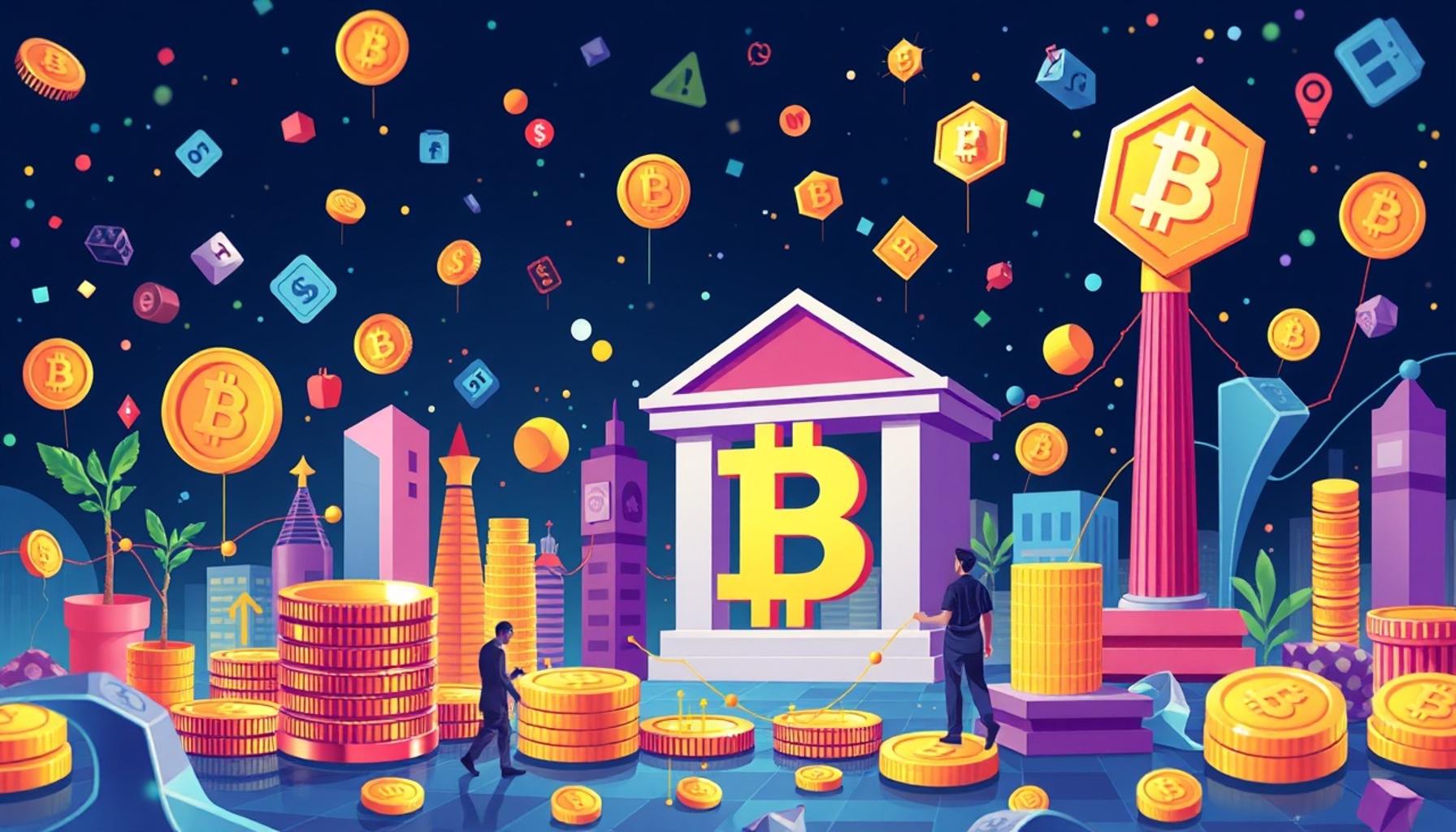
Understanding Decentralized Finance (DeFi)
The emergence of blockchain technology has been akin to a technological renaissance, and nowhere is this more evident than in the realm of finance. Traditional banking systems—once regarded as the bedrock of financial transactions—are facing unprecedented challenges due to the rise of Decentralized Finance (DeFi). This innovative system is not merely an advancement; it represents a fundamental shift in how financial services can be approached, promoting user autonomy over reliance on established banking institutions.
At its core, DeFi leverages the principles of blockchain to create financial services that are open and accessible to all. Unlike traditional banks that require a banking relationship, DeFi platforms only require an internet connection. This means that individuals who may have previously been excluded from the financial system, such as those in rural areas or developing regions, now have the opportunity to access essential financial services. For instance, a farmer in a remote part of the United States can utilize DeFi to lend money, trade agricultural products, or buy insurance using digital assets without needing a local bank.
The advantages of DeFi over traditional banking are significant:
- Transparency: Transactions are recorded on a public ledger, which means every transaction can be publicly verified. This increases trust and accountability.
- Accessibility: DeFi platforms can be accessed 24/7 from anywhere, making banking accessible even outside of traditional banking hours or locations.
- Lower Costs: By removing intermediaries, DeFi platforms often have lower fees. For example, a user might pay a fraction of a cent to complete a transaction instead of traditional wire transfer fees, which can be substantial.
Moreover, DeFi introduces sophisticated financial instruments that were previously less accessible:
- Smart Contracts: These are self-executing contracts with the terms of the agreement directly written into code. They automate processes and reduce the need for intermediaries, facilitating transactions such as real estate deals or loan agreements without a broker.
- Liquidity Pools: Users can deposit assets into a liquidity pool to provide liquidity for trades and, in return, they earn interest or a share of transaction fees. This strategy can be especially lucrative for those willing to invest in their local cryptocurrencies.
- Yield Farming: This concept allows users to maximize returns on their investments by strategically moving assets among different DeFi platforms to take advantage of varying interest rates, akin to finding the best savings account or investments.
As we further explore the landscape of DeFi, it becomes clear that we are not only witnessing a technological shift but also a cultural one. DeFi aims to empower users and foster innovation in the financial sector, presenting an opportunity to redefine what banking means. This decentralized ecosystem could lead to a future where individuals have complete control over their financial decisions, experiencing financial freedom in ways previously unimaginable.
How DeFi Works: The Mechanics Behind Decentralized Finance
To truly appreciate the transformative power of Decentralized Finance (DeFi), it is essential to understand how it operates. At its foundation lies the concept of blockchain technology, a distributed ledger that records transactions in a secure and transparent manner. Each block in the chain contains information about transactions, and once a block is filled, it is sealed and linked to the previous block, creating an immutable record. This framework not only enhances security but also enables transparency, which is a cornerstone of the DeFi ethos.
DeFi platforms provide a wide range of financial services, including lending, borrowing, trading, and earning interest on holdings, without the intervention of traditional intermediaries like banks. Here’s how some of the main components work:
- Lending and Borrowing: Users can lend their cryptocurrencies and earn interest while other users can borrow these assets. This operates through smart contracts—automated agreements that enforce the terms of the loan without the need for a bank. For instance, a user might lend their Bitcoin on a DeFi platform and earn a return, while a borrower can access the loan without the credit checks and fees usually associated with banks.
- Decentralized Exchanges (DEXs): Unlike traditional stock exchanges that facilitate trading through a centralized entity, DEXs allow users to trade cryptocurrencies directly with one another. This peer-to-peer trading fosters a more favorable and efficient market, where users retain custody of their assets throughout the transaction process.
- Stablecoins: These are digital currencies pegged to traditional assets like the US dollar, reducing volatility typically associated with cryptocurrencies. They provide a stable medium of exchange within the DeFi ecosystem, allowing users to transact with confidence, knowing the value of their assets will not fluctuate wildly.
Many DeFi platforms also incorporate yield farming strategies, enabling users to achieve returns by providing liquidity to the market. Users participate by depositing their digital assets into liquidity pools, which are then used by others for transactions. In exchange for their participation, liquidity providers earn fees or additional tokens, making this an attractive option for those looking to maximize their investment.
Importantly, DeFi operates on open-source protocols that encourage innovation. Developers can create new applications and services without permission, fostering an environment where creativity can flourish. An excellent example of this is how the Ethereum blockchain has become a popular platform for DeFi projects due to its robust functionality and widespread adoption.
This decentralized framework significantly reduces the barriers to entry for financial services, enabling a level of inclusivity that encompasses a broader population than traditional banking ever could. As we delve deeper into the impacts and implications of DeFi, we will uncover how it could reshape the financial landscape and provide opportunities for individuals to take control of their financial destinies.
The Advantages and Challenges of Decentralized Finance
As we dive deeper into the world of Decentralized Finance (DeFi), it becomes clear that this revolution is not without its advantages and challenges. Understanding both sides will provide a comprehensive view of how DeFi is reshaping the financial landscape.
Advantages of DeFi
One of the primary benefits of DeFi is its inherent accessibility. Traditional banking systems often require users to meet specific criteria, including credit scores and identification documentation, which can exclude large segments of the population. Conversely, DeFi platforms generally only require an internet connection and a digital wallet to participate. For example, someone in a rural area with limited banking infrastructure can easily access lending and borrowing services through a smartphone.
Additionally, transparency stands out as a critical advantage. In a conventional banking system, transactional data is kept behind closed doors, often leading to a lack of trust among consumers. However, blockchain technology enables all transactions to be publicly verifiable via the distributed ledger. This openness extends to auditing, as users can track how funds are utilized within DeFi platforms, fostering accountability and trustworthiness.
Another compelling aspect of DeFi is its cost-effectiveness. By eliminating intermediaries and streamlining transactions, DeFi platforms can significantly reduce costs associated with lending and transactions. Traditional services often impose fees for maintaining accounts or processing transactions; however, on DeFi platforms, users can execute transactions with minimal to no fees. For instance, many DEXs charge a small percentage on trades, which is substantially lower than the fees imposed by traditional exchanges.
Challenges Facing DeFi
Despite its benefits, the decentralized finance sector also faces several challenges that could hinder its growth and adoption. One significant issue is the security of DeFi platforms. While blockchain itself is inherently secure, smart contracts—key components of DeFi—are not immune to bugs and vulnerabilities. There have been instances where poorly coded smart contracts have led to substantial financial losses. For example, in 2021, a bug in the Poly Network smart contract led to the theft of over $600 million in assets, highlighting the risks involved.
Moreover, the lack of regulation in the DeFi space raises questions about consumer protection. Traditional finance is bound by strict regulations designed to protect consumers and maintain market integrity. Without similar regulatory frameworks in place for DeFi, users may find themselves vulnerable to fraud or project failures. As the sector continues to expand, regulatory bodies are likely to increase scrutiny, seeking to ensure that users are protected while allowing innovation to thrive.
The pace of innovation in DeFi also presents a challenge due to market volatility. Cryptocurrency values can fluctuate wildly, often influenced by market sentiment, regulatory news, and technological advancements. This volatility can lead to rapid losses for investors who may not be adequately prepared for the risks associated with DeFi investment strategies like yield farming or lending.
As we examine the transformative impact of DeFi, it becomes clear that while it offers unprecedented opportunities to democratize finance and provide greater access to banking services, there are substantial risks and hurdles to overcome. Understanding these dynamics will be crucial for anyone looking to navigate the exciting landscape of decentralized finance in the years to come.
Concluding Thoughts on Decentralized Finance
In summary, the rise of Decentralized Finance (DeFi) represents a significant shift in how we perceive and engage with banking services. By leveraging blockchain technology, DeFi fosters an inclusive environment where financial services are accessible to anyone with an internet connection, breaking down the barriers that traditional banks often impose. The benefits of transparency and cost-effectiveness cannot be understated; they fundamentally improve the efficiency and trustworthiness of financial transactions.
However, as we’ve seen, this revolution is accompanied by its share of challenges. The issues surrounding security, regulation, and market volatility remind us that while innovation in finance is exciting, it carries inherent risks. Therefore, it is essential for consumers and businesses alike to remain vigilant and educate themselves about the intricacies of DeFi before diving in.
Looking to the future, it is clear that DeFi has the potential to reshape the financial landscape remarkably. With ongoing advancements and increasing interest from both users and regulators, we may soon find a balance that allows for both security and innovation. As DeFi matures, it will likely redefine not only how we engage in financial transactions but also how we conceptualize and access financial services. Embracing this evolution will be crucial for anyone looking to thrive in the rapidly changing world of finance.

Linda Carter
Linda Carter is a writer and expert known for producing clear, engaging, and easy-to-understand content. With solid experience guiding people in achieving their goals, she shares valuable insights and practical guidance. Her mission is to support readers in making informed choices and achieving significant progress.