
The Role of Logistics and Distribution in the Expansion of Shein’s E-commerce
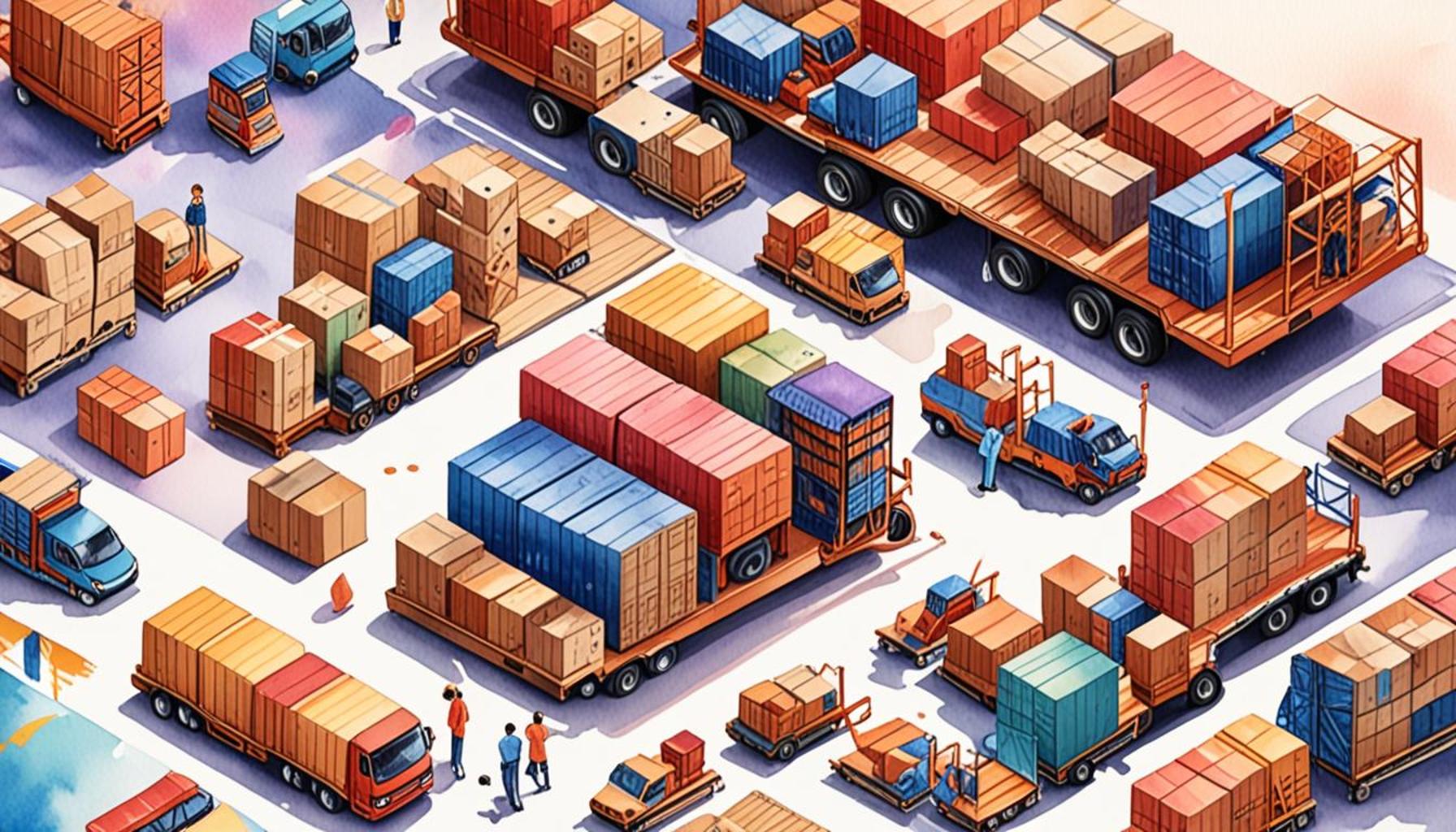
Understanding the Significance of Logistics and Distribution
In today’s fast-paced online shopping environment, logistics and distribution are pivotal to e-commerce success. For Shein, a burgeoning leader in fast fashion, these elements have played a critical role in its remarkable growth. With an ever-growing consumer base, Shein’s innovative supply chain strategies allow it to cater to a diverse audience, connecting with millions of consumers swiftly and efficiently. To remain competitive, companies like Shein must navigate an intricate web of logistics that not only support operations but create a seamless shopping experience.
Key Components of Shein’s Logistics Strategy
- Global Supply Chain Management: By sourcing materials and products from various countries such as China, Bangladesh, and Vietnam, Shein enhances its flexibility and responsiveness. This diversified approach not only mitigates risks associated with single-source dependencies but also enables the brand to offer a wide array of styles that resonate with different consumer preferences across global markets. For instance, during fluctuating demand seasons, Shein can adjust its supply chain efficiently, ensuring that popular items stay in stock while introducing new trends.
- Advanced Technology Utilization: Technology is at the heart of Shein’s logistics operations. The company employs sophisticated data analytics for real-time tracking of shipments and inventory levels. This allows for precise forecasting and management of stock, ensuring that customers are informed about delivery times and product availability. By leveraging technologies like Artificial Intelligence (AI) and Machine Learning (ML), Shein can also predict fashion trends and consumer behavior, enabling them to adjust inventory before a trend reaches its peak.
- Localized Warehousing: To facilitate quicker fulfillment rates, Shein strategically places warehouses in key markets, including major U.S. cities like Los Angeles and New York. This proximity to its consumer base significantly reduces shipping times, often enabling next-day delivery options for certain products. Such strategic positioning empowers Shein to handle large volumes of orders with ease, maintaining high levels of customer satisfaction.
Each of these components contributes significantly to meeting customer expectations effectively. Shein’s business model is designed not only for speed but also for adapting to fluctuating consumer demands, which outpaces many competitors. As the company continues to expand its e-commerce footprint, understanding its logistics and distribution framework offers critical insights into its strategies that have placed it in such a strong market position.
Why This Matters
The role of logistics and distribution extends beyond mere operational efficiency. It shapes customer satisfaction, impacts brand loyalty, and ultimately drives revenue. In a marketplace where consumers expect speedy deliveries and hassle-free returns, Shein’s optimized logistics network serves as a backbone for enhancing its e-commerce platform. For other retailers looking to thrive in the competitive landscape, examining Shein’s logistics practices may provide valuable lessons on the importance of agility, responsiveness, and technological integration.
As the dynamics of retail continue to evolve, the implications of Shein’s logistics strategy can serve as a guide for the wider retail industry. By prioritizing logistics and distribution, retailers can build stronger relationships with customers, foster brand loyalty, and secure a competitive edge in an increasingly crowded market.
DISCOVER MORE: Click here
Transforming E-commerce Through Innovative Logistics
As Shein capitalizes on the digital retail landscape, its logistical prowess becomes increasingly vital. In a sector where customer expectations are continually evolving, Shein’s logistics and distribution strategy is crafted meticulously to not only meet but exceed these demands. Central to this strategy is the balance between speed, accuracy, and cost-effectiveness, which ultimately enhances the overall shopping experience for consumers. Understanding the intricate logistics framework that supports Shein’s rapid growth can offer insights that many emerging e-commerce players can leverage.
Streamlined Order Fulfillment Processes
Shein’s commitment to a hassle-free shopping journey begins with its streamlined order fulfillment processes. The company integrates cutting-edge technology and well-designed workflows that ensure orders are processed swiftly. Upon receiving an order, Shein utilizes automation within its warehouses to pick and pack items efficiently. This not only speeds up the loading process but also minimizes errors—an essential component for maintaining customer satisfaction. For example, automated sorting systems and robots facilitate quicker turnover rates in warehouses, allowing Shein to process thousands of orders within hours.
Dynamic Inventory Management
At the heart of Shein’s logistics is a robust inventory management system that ensures optimal stock levels across various regions. Leveraging real-time data analytics allows Shein to monitor sales trends and consumer preferences closely. This insight empowers Shein to make informed decisions about restocking popular items while phasing out those that don’t meet sales expectations. As a result, the company can maintain a fresh assortment of fashion products that cater specifically to its audience’s ever-changing tastes. Furthermore, by using predictive analytics, Shein can forecast demand spikes during significant shopping events, such as holidays or seasonal changes, adjusting inventory accordingly.
Efficient Last-Mile Delivery Solutions
One of the most critical aspects of logistics in e-commerce is the last-mile delivery phase—often cited as the most challenging due to its inherent complexities. Shein has invested significantly in partnerships with local courier services and tech-driven logistics platforms to enhance this final stage of delivery. By embracing a hub-and-spoke model combined with local delivery services, Shein ensures that products arrive at customers’ doorsteps promptly, a factor that positively influences customer retention rates. In key markets, this localized approach can mean the difference between a day-long wait and swift delivery, enhancing customer satisfaction immensely.
As Shein continues to expand its e-commerce footprint, the importance of an agile and well-planned logistics strategy becomes abundantly clear. Each logistical element—from warehouse location to real-time inventory management—plays a crucial role in ensuring customers receive their merchandise when they want it. The emphasis on efficient logistics not only boosts operational capabilities but is also a foundational pillar that allows Shein to thrive in the competitive online retail landscape.
The Strategic Importance of Logistics at Shein
The dynamic world of e-commerce necessitates that companies like Shein adopt a robust logistics framework to keep pace with customer demand. As a fast-fashion brand, Shein’s ability to deliver products quickly and efficiently is paramount. To achieve this, Shein employs an intricate web of distribution strategies that not only enhance customer satisfaction but also significantly streamline their operations.
Optimized Supply Chain Management
At the heart of Shein’s logistics success is its optimized supply chain management. By leveraging technology and data analytics, Shein can predict trends and manage inventory effectively. This agility allows the company to respond to real-time market demands, ensuring that popular items are always in stock. The data-driven approach enables Shein to maintain a competitive edge in a rapidly evolving market, allowing for quick replenishment of successful designs and minimizing excess inventory across their vast catalog.
Global Distribution Centers
Shein has established multiple global distribution centers, which play a crucial role in the infrastructure of its e-commerce operations. These strategically located centers facilitate faster shipping times and reduce costs significantly. By decentralizing its distribution, Shein enhances regional accessibility, allowing for localized fulfillment that can cater to specific market demands. This strategy not only improves the customer experience but also positions Shein favorably in markets where efficiency is key to attracting and retaining consumers.
| Advantages of Logistics | Impact on E-commerce |
|---|---|
| Speedy Delivery | Enhances customer satisfaction and loyalty through quick order fulfillment. |
| Cost Efficiency | Reduces operational costs, allowing competitive pricing and higher profit margins. |
The Role of Technology in Logistics
Moreover, Shein utilizes cutting-edge logistics technology to optimize processes further. Integration of platforms like AI and machine learning provide predictive analytics that aid in decision-making. Not only does this technology streamline warehouse operations, but it also helps in forecasting customer preferences. Automated systems can track inventory levels in real-time, minimizing the risk of stockouts or overstock situations, which are critical in maintaining consumer trust and interest.In conclusion, logistics and distribution are not merely supporting elements of Shein’s business model; they are core to its strategy and a driving factor behind its rapid expansion in the competitive realm of e-commerce. The agile logistics network and advanced technological integration have firmly established Shein as a key player in the global marketplace, showcasing the vital role effective logistics and distribution play in success in this digital age.
LEARN MORE: Click here to discover how blockchain enhances consumer experience
Harnessing Technology to Optimize Logistics
As Shein ventures deeper into the realm of e-commerce, the integration of innovative technologies becomes paramount in refining its logistics framework. The application of advanced technologies not only enables Shein to streamline processes but also enhances the overall consumer experience, a critical element for online retail success. By utilizing artificial intelligence (AI)</strong) and machine learning (ML), Shein has been able to strengthen its logistical foundations like never before.
Data-Driven Decision-Making
Shein leverages big data analytics to gain actionable insights into customer behaviors and preferences. This data-driven approach allows Shein to tailor its inventory and logistics strategies to meet localized demands effectively. For instance, analyzing data sets across various demographics and regions enables the company to adjust product availability dynamically. This adaptability not only improves inventory turnover but also enhances customer satisfaction by ensuring that popular items are consistently in stock.
Furthermore, Shein utilizes predictive analytics algorithms to anticipate logistical challenges, such as delays in shipping or variations in demand. By evaluating historical data and current trends, Shein can make preemptive adjustments in its distribution networks, helping to mitigate potential bottlenecks and ensuring a seamless shopping experience for consumers.
Global Distribution Networks
Another pivotal aspect of Shein’s e-commerce logistics is its extensive global distribution network. Shein’s ability to manage a complex web of warehouses and fulfillment centers across multiple regions allows for quicker shipping times, a vital factor when competing in the fast-paced fashion industry. The company’s strategic placement of these facilities ensures that products can reach consumers in various markets with minimal lead time. For example, Shein maintains warehouses in the United States, Europe, and Asia to service demand effectively and deliver items directly to consumers without excessive delays.
To further streamline its distribution, Shein employs various shipping options in partnership with major carriers. This flexibility enables customers to choose from standard to expedited shipping, catering to a wide range of customer preferences and needs. The success of this approach is evident in the impressive 3-7 day average delivery timeline that Shein can offer to U.S. customers, significantly enhancing the customer retention rate.
Sustainability in Logistics
In response to growing environmental concerns, Shein is also making strides toward sustainable logistics practices. The company is exploring options like eco-friendly packaging solutions and optimizing delivery routes to reduce the carbon footprint associated with transportation. As e-commerce continues to face scrutiny regarding its environmental impact, initiatives, such as reducing excess packaging or implementing more efficient delivery methods, position Shein as a responsive and responsible player in the market.
Ultimately, the seamless integration of technology, a robust global distribution network, and a commitment to sustainability illustrate how logistics and distribution are critical components in Shein’s e-commerce expansion. As consumer expectations continue to shift toward speed, efficiency, and responsibility, Shein’s dynamic logistics strategy serves as an essential mechanism in not only navigating these changes but also thriving within the competitive landscape of online retail.
DISCOVER MORE: Click here to learn about blockchain’s impact on supply chain transparency
Conclusion
In conclusion, the role of logistics and distribution is undeniably vital to the expansion of Shein’s e-commerce operations. By marrying technology with logistics, the company has crafted an intricate framework that not only enhances operational efficiency but also significantly improves the consumer experience. The utilization of big data analytics and predictive algorithms affords Shein the agility needed to respond to varied consumer demands in real-time, thus maintaining optimal inventory levels and ensuring that popular products are readily available.
Moreover, Shein’s established global distribution network allows it to offer impressive delivery timelines to customers, particularly in the U.S. market. The ability to provide a range of shipping options, from standard to expedited, underlines Shein’s commitment to meeting diverse customer preferences. This flexibility not only fosters customer loyalty but strengthens Shein’s competitive edge in the bustling fashion e-commerce landscape.
As the focus on sustainability grows, Shein’s strides toward implementing sustainable logistics practices further align the company with modern consumer values. By addressing environmental concerns, Shein positions itself as a forward-thinking brand responsive to societal shifts. Overall, Shein’s strategic logistics and distribution practices not only facilitate its expansive growth but also set a benchmark in the e-commerce sector. As the landscape continues to evolve, further innovations in logistics will likely play a crucial role in defining the future of online retail.

Linda Carter
Linda Carter is a writer and expert known for producing clear, engaging, and easy-to-understand content. With solid experience guiding people in achieving their goals, she shares valuable insights and practical guidance. Her mission is to support readers in making informed choices and achieving significant progress.